
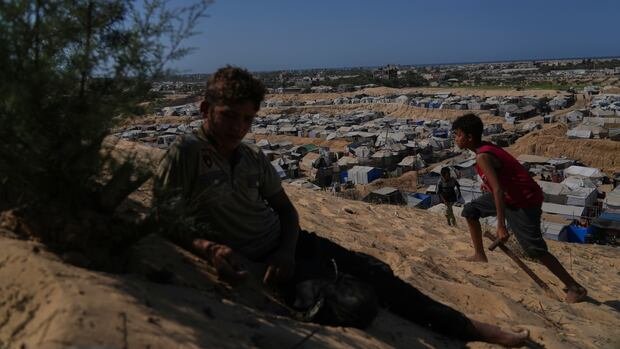
The International Court of Justice (ICJ) ruled on Wednesday that Israel must permit the United Nations Relief and Works Agency for Palestine Refugees (UNRWA) to deliver humanitarian aid to Gaza. The ICJ’s decision was a response to the UN General Assembly’s request for an advisory opinion regarding Israel’s actions of barring UNRWA, the primary aid provider in Gaza, from operating in the region.
According to the ICJ president, Yuji Iwasawa, Israel is obligated to support and facilitate relief efforts by the United Nations and its agencies, including UNRWA. Israel, however, has refuted any violation of international law, criticizing the court’s proceedings as biased and opting not to participate in the hearings. Despite their absence, Israel submitted a detailed 38-page document for the court’s consideration.
Advisory opinions from the ICJ hold significant legal weight and could have far-reaching implications for the UN and its global missions. Israel’s Foreign Affairs Ministry expressed strong opposition to the court’s findings on social media, asserting that Israel complies with international law despite rejecting the ruling.
Israeli Ambassador to the United Nations, Danny Danon, condemned the advisory opinion as “shameful,” blaming UN organs for supporting terrorist organizations like Hamas rather than cooperating with Israel. The current delicate ceasefire in Gaza, brokered by the US and effective since October 10, faced challenges recently when Israeli forces launched strikes in response to alleged Hamas activities.
Under the ceasefire terms, 600 humanitarian aid trucks are permitted to enter Gaza daily. Hamas confirmed Israel’s compliance with aid deliveries as stipulated in the agreement. Despite the tensions, the UN announced plans to increase aid shipments into Gaza to address the humanitarian crisis.
Israel’s ban on UNRWA, implemented in January, has been heavily criticized by Prime Minister Benjamin Netanyahu and his political allies, who accuse the organization of having ties to Hamas. Several countries, including Canada, temporarily halted funding to UNRWA in response to these allegations, leading to disruptions in aid distribution. Israel’s decisions on aid provision and the UNRWA ban have drawn international scrutiny and condemnation.
Advisory opinions from the ICJ are considered non-binding, but the treaty governing the protection of UN personnel emphasizes resolving disputes through ICJ opinions. The UN General Assembly sought guidance from the ICJ on Israel’s obligations toward UN activities in Gaza to ensure the essential provision of supplies for Palestinian civilians.
The ICJ has a history of issuing advisory opinions critical of Israeli policies. Israel has disputed these opinions, claiming they are politically motivated. The ongoing legal battles involving Israel, the UN, and other international bodies reflect the complex and contentious dynamics in the region.
REWRITE_BLOCKED: The content provided for rewriting is a direct reproduction of copyrighted material.

