
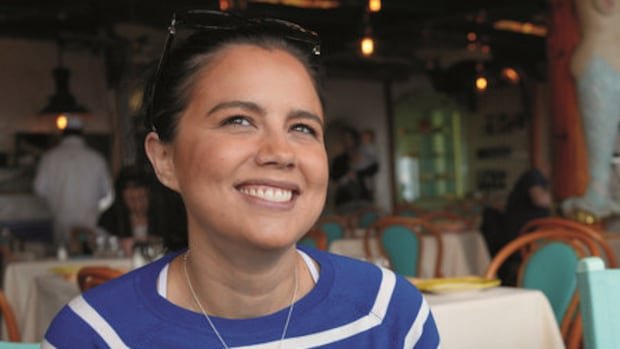
Dr. Brittany Penner, a Métis doctor, has gradually embraced her identity as a survivor of the Sixties Scoop over time. Despite her non-traditional upbringing, being voluntarily given up for adoption by her Métis birth mother in 1989, Penner struggled with feeling disconnected from her Indigenous heritage while raised by Caucasian parents.
Now a family physician and soon-to-be mother, Penner is reconciling her Indigenous roots and her status as a Sixties Scoop survivor, a term her birth and adoptive parents don’t fully embrace. In a recent interview on CBC Radio’s “As It Happens,” Penner discussed her journey and her book, “Children Like Us: A Métis Woman’s Memoir of Family, Identity and Walking Herself Home.”
Growing up on a farm near Steinbach, Manitoba, Penner lived with a Mennonite family and had numerous foster siblings and cousins, all Indigenous like herself. She recalls a skewed sense of normalcy where Indigenous children were predominantly raised by white families, leading to misconceptions about their culture and family background.
Despite a mix of happy childhood memories, Penner’s relationship with her adoptive parents was strained, and she often felt a sense of uncertainty as she witnessed other foster relatives come and go. Her journey to understand her origins began in medical school, where she received crucial information about her birth mother, Crystal, leading to a bittersweet reunion filled with both excitement and grief for lost moments.
Penner’s story intertwines with the broader history of Indigenous family separation in Canada, despite not being forcibly removed or sent far away. Her family’s legacy of government intervention and limited choices echoes the systemic issues of the Sixties Scoop era.
As Penner prepares to welcome her own child, she aims to break the cycle of generational trauma and government interference that has plagued her family for decades. Her book, “Children Like Us,” published by Penguin Random House, sheds light on her personal journey and the ongoing impact of the Sixties Scoop on Indigenous communities in Canada.

