
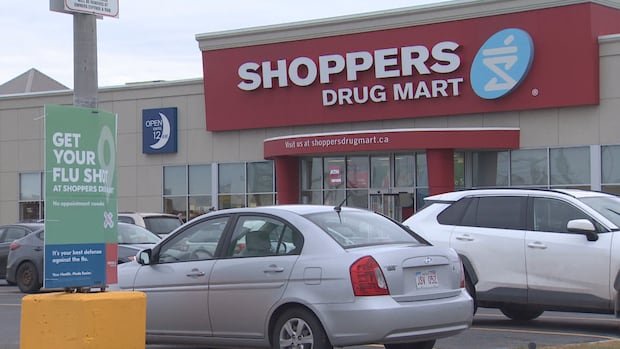
Blaine Higgs, the Progressive Conservative premier of New Brunswick, faced a challenge that was met with a solution from Canada’s largest pharmacy chain. In the summer of 2022, Higgs implemented significant changes to the senior management of the province’s healthcare system in a bid to enhance accessibility. By the year’s end, Perry Martin, a senior lobbyist for Shoppers Drug Mart, began urging the provincial Department of Health to expedite a pilot program aimed at aiding the healthcare system.
Despite not receiving a clear timeline from a Health Department official, Martin escalated the matter to Louis Leger, Higgs’s chief of staff, as the Premier aimed for an announcement in January 2023 and the program’s launch by February. The initiative involved empowering pharmacists to manage chronic conditions like diabetes and asthma, conduct strep A infection swab tests, and alleviate the burden on family doctors and emergency departments.
Although the government missed the Premier’s timeline, it eventually rolled out the pilot project across six New Brunswick pharmacies. However, the program was discontinued earlier this year by the new Liberal government led by Susan Holt. Internal communications this year revealed that the assumption of alleviating pressure on the public healthcare system by treating patients at pharmacies remained unverified.
The pilot study, consisting of over 900 pages of obtained documents, highlighted the complexities of enhancing access and early warnings issued by the government. Martin, a registered lobbyist in New Brunswick, advocated for expanding pharmacists’ professional services, drawing inspiration from a similar system in Alberta. Despite suggestions to allow pharmacists to order blood work, New Brunswick initially declined the proposal, citing operational constraints.
As challenges mounted and operational overlaps emerged, the pilot project faced scrutiny from various stakeholders. The pilot’s conclusion in September 2024 prompted calls for fee reimbursements to pharmacists, with the hope of replicating Nova Scotia’s success in reducing emergency visits. Despite mixed outcomes, discussions persisted on further collaboration possibilities between pharmacists and healthcare providers.
The Liberal government’s decision to terminate the pilot project in January 2025 stirred debates on the role of pharmacists and the influence of the pharmaceutical industry on healthcare policies. As the province evaluated the program’s impact, ongoing dialogue emphasized the potential for pharmacists to play a crucial role in collaborative care models. The future of pharmacist empowerment in ordering tests remained a topic of interest, indicating ongoing discussions between stakeholders.
The evolution of the pilot project underscored the complexities of integrating pharmacy services into the healthcare system and the ongoing quest for innovative solutions to enhance patient care and system efficiency.

