
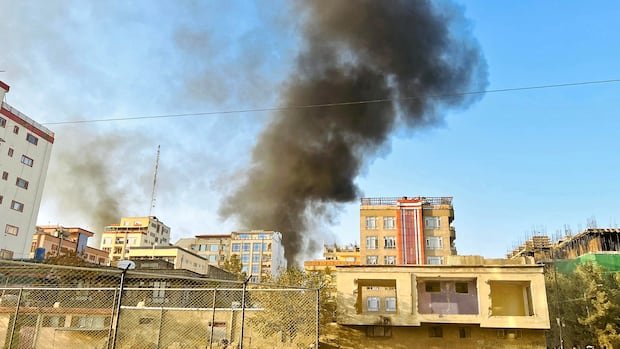
Afghanistan and Pakistan have mutually agreed to an immediate ceasefire, as confirmed by Qatar’s foreign ministry on Sunday. The ceasefire comes after a period of intense conflict that resulted in numerous casualties on both sides.
Both nations have committed to establishing mechanisms aimed at fostering lasting peace and stability. Additionally, they have agreed to conduct follow-up discussions in the upcoming days to ensure the sustainability of the ceasefire, according to a statement from Qatar.
Delegations from Afghanistan and Pakistan convened in Doha for talks to address the recent escalation, which has been the deadliest confrontation between the two countries in several years. The mediation efforts were facilitated by Qatar and Turkey.
The discussions, led by the defense ministers of both countries, primarily focused on implementing immediate measures to combat cross-border terrorism originating from Afghanistan and to restore peace and stability along the border, as emphasized by Pakistan.
Tensions escalated following allegations of aggression from both sides, with Afghanistan denying accusations of harboring militants involved in border-area attacks. Regional powers, including Saudi Arabia and Qatar, have urged for calm to prevent further destabilization in a region where extremist groups such as the Islamic State and al-Qaida are seeking to reemerge.
A 48-hour ceasefire expired on Friday, leading to Pakistani strikes across the border into Afghanistan. Pakistani security officials confirmed the strikes in two districts of Afghanistan’s Paktika province, targeting hideouts of the Hafiz Gul Bahadur group in response to a recent suicide bombing in Pakistan.
While Pakistani officials reported the elimination of armed fighters without civilian casualties, Afghan authorities claimed that the airstrikes resulted in the deaths of at least 10 civilians, including women, children, and local cricketers. The casualties prompted the Afghan cricket board to boycott a planned series in Pakistan.
On the following day, mourners gathered in Paktika for funeral prayers, expressing grief and condemnation over the civilian deaths. Zabihullah Mujahid, the Taliban government’s spokesperson, criticized the actions of Pakistani forces, denouncing them as violations of Afghanistan’s sovereignty and provocative acts intended to prolong the conflict.
The contentious history between the two countries is underscored by their shared 2,611-kilometer border, known as the Durand Line, which Afghanistan has never officially recognized.
Pakistan is facing a surge in militancy, particularly in border regions with Afghanistan, while also accusing rival India of supporting armed groups without presenting evidence. Pakistan’s army chief, Asim Munir, called on Afghans to prioritize mutual security and progress over violence and obscurantism, urging the Taliban to control groups operating from sanctuaries in Afghanistan.

