
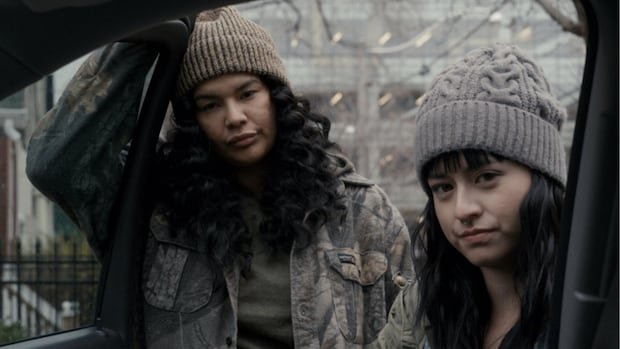
Indigenous filmmaker Eva Thomas faced challenges securing non-stereotypical roles in Hollywood due to the prevalence of “leather-and-feather” portrayals of Indigenous characters. Frustrated by the limited opportunities, Thomas, a Walpole Island First Nation member, shifted her focus to creating her own projects with diverse narratives.
Inspired by the burgeoning Indigenous film and television community in Canada, Thomas returned home to be part of the movement. Her directorial debut, “Nika & Madison,” premiered at the Toronto International Film Festival and is now making waves at film festivals nationwide.
The surge of Indigenous-made cinema in recent years reflects a growing interest among Canadian audiences in authentic storytelling across various genres. From drama to comedy to horror, these films provide a platform for Indigenous creators to express themselves creatively and share their unique perspectives.
The Toronto International Film Festival showcased a record number of Indigenous films this year, signaling a wave of new talent in the industry. Indigenous filmmakers are moving beyond traditional documentaries, exploring a wider range of genres to amplify their voices and narratives.
Filmmaker Sinakson Trevor Solway highlights the importance of narrative sovereignty for Indigenous filmmakers, who are reshaping old stereotypes and reclaiming their stories. This shift towards authentic portrayals is empowering Indigenous communities and challenging historical misrepresentations in mainstream media.
Despite these advancements, Indigenous films still face accessibility challenges for the average Canadian viewer. Limited distribution opportunities and industry competition often hinder the visibility of Indigenous projects. Organizations like the Indigenous Screen Office play a crucial role in advocating for Indigenous filmmakers and improving access to their work for broader audiences.

