
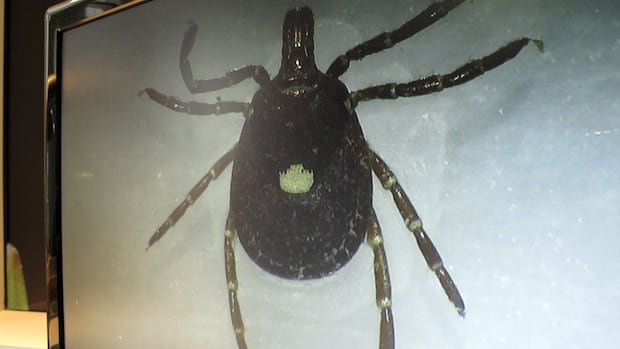
Canadians are facing a gradual incursion from the United States as various tick species carrying dangerous pathogens are seeking to establish themselves in Canada. Currently, Canada is home to over 40 different types of ticks, with the blacklegged tick, also known as the deer tick, being the most recognized for transmitting Lyme disease, characterized by symptoms like fever, fatigue, and a distinctive “bull’s-eye” rash.
The Canadian Tick Research and Innovation Centre, led by Nicoletta Faraone, at Acadia University in Wolfville, Nova Scotia, has been established to research and address the challenges posed by ticks and tick-borne diseases. Faraone emphasized the importance of understanding these pathogens and the absence of a Lyme disease vaccine currently making it vital to explore alternative protective measures.
Experts warn that ticks carrying harmful pathogens are gradually moving towards Nova Scotia from the northern United States at a pace of approximately 50 kilometers per year. While some species have been identified, they have not yet firmly established themselves in the region. Of particular concern is the lone star tick, capable of inducing a severe meat allergy in bitten individuals.
The lone star tick has already gained a foothold in Maine, where a resident, Patty O’Brien-Carrier, experienced an anaphylactic shock after consuming beef due to a lone star tick bite-triggered meat allergy. The Acadia research facility is conducting studies on ticks, including feeding American dog ticks blood through a synthetic skin mechanism to facilitate research on tick reproduction and behavior.
Asian long-horned ticks are also causing worry in Nova Scotia due to their potential to cause anemia in cattle, posing a significant threat to livestock. Farmers like Tim Marsh from Poplar Grove are taking precautions such as inspecting fence lines and managing grass height to prevent tick infestations and safeguard their livestock from potential harm.
Researchers are exploring various tick-repelling products, with a focus on developing solutions for rare tick-borne diseases like the Powassan virus, carried by blacklegged ticks. Faraone stresses the importance of simple preventive measures, such as tucking pant legs in and regular tick checks when outdoors in tick-prone areas.
As the tick invasion poses evolving risks to Canada, continued research and vigilance are paramount in combating the spread of tick-borne diseases and protecting public health.

