
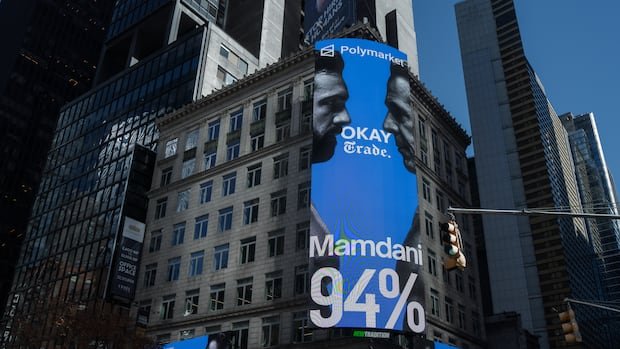
An inquiry into potential tampering with temperature sensors at the Paris airport to influence online betting outcomes has brought attention to the increasing popularity of climate-related bets. Several accounts on Polymarket, an online betting platform, saw substantial winnings following a sudden 5-degree Celsius temperature spike earlier this month. This incident has sparked discussions about the ethics of platforms like Polymarket and Kalshi, where users can gamble on climate-related events such as hurricane intensity or record-breaking temperatures in upcoming years.
According to experts interviewed by CBC News, weather betting has the potential to enhance climate science and even sway the opinions of climate change skeptics. Moran Cerf, a neuroscience and business professor at Columbia University, conducted a study where participants engaged in prediction markets related to climate events like the California wildfires. The study revealed that individuals who partook in these markets exhibited heightened awareness and concern for climate change, with some skeptics possibly changing their views.
Climate change communication faces challenges due to the long-term and distant nature of its impacts, such as rising sea levels and disruptions in food systems. However, prediction markets offer a unique way to bridge this gap by providing immediate feedback and incentives for participants to engage with climate-related events. By placing bets and witnessing real-time changes in probabilities, individuals are compelled to confront the outcomes they may have otherwise ignored.
Predictive betting markets, such as those on Kalshi, traded $239 million in climate-related markets last year. These markets operate differently from traditional gambling setups, as users trade shares based on the likelihood of specific outcomes rather than betting against the house. Mark Roulston, a climate scientist at the University of Lancaster, is spearheading an academic initiative inviting research teams to participate in prediction markets to refine climate models and contribute to scientific advancements without risking personal funds.
Despite the ban on short-term binary options in Canada, Wealthsimple has secured approval to offer prediction markets on economic indicators, financial markets, and climate trends. The rise of climate-related bets has raised concerns among some researchers like Cerf, who argue that current short-term bets may not effectively educate individuals about climate change. Additionally, the potential for data manipulation, as seen in the Paris incident, undermines the credibility of these platforms in fostering climate awareness.

