
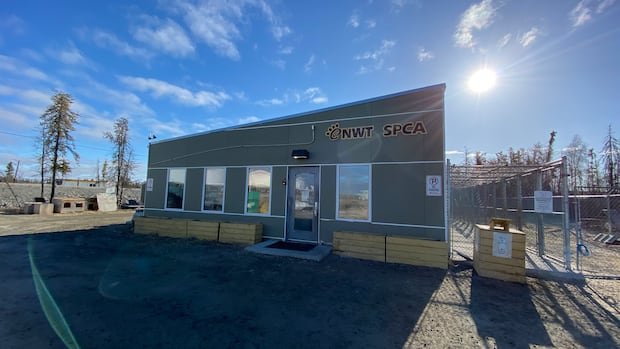
The N.W.T. SPCA has urged the territorial government to recognize domestic animals as sentient beings rather than mere property. In accordance with the Dog Act, which governs dog ownership responsibilities in the N.W.T., dogs are currently categorized as the property of their owners. This classification allows for actions such as selling or transferring a dog if the owner is detained.
The SPCA has received ongoing feedback from both tourists and residents regarding animal welfare concerns in the Northwest Territories. They argue that the existing legislation restricts authorities’ ability to address problematic situations promptly. Nicole Spencer, the executive director of the N.W.T. SPCA, emphasized the need for updated regulations that go beyond basic standards like food, water, and shelter to encompass more intricate welfare issues.
Animal welfare lawyer Jennifer Friedman noted that pets are commonly viewed as property in Canada, including in Ontario. However, some provinces, like British Columbia in 2024, are beginning to broaden the criteria for considering pets in family disputes. Friedman emphasized the importance of enforcing laws dedicated to protecting animals, as mere existence of laws is insufficient without proper implementation.
The Department of Municipal and Community Affairs, which oversees the Dog Act, stated that there are currently no plans to amend the legislation. The department explained that any changes to the act would need to align with broader legislative priorities set by the Legislative Assembly. Minister Vince McKay highlighted the Act’s role as a foundational document for municipalities to manage animal-related matters. McKay acknowledged the need for potential updates to the legislation but emphasized the importance of balancing community needs and capacities.
McKay emphasized the necessity of a flexible approach, recognizing that different communities may have varying requirements. While acknowledging the potential for future revisions to the Dog Act, he emphasized the time-consuming nature of legislative changes and the need to prioritize animal protection in communities lacking the resources to establish their own bylaws.

