
A recently established medical school in Brampton, Ontario, is training a fresh cohort of family physicians to combat a significant doctor shortage in Canada. However, the emphasis is not only on medical training but also on enhancing cultural understanding to better serve the diverse population. Toronto Metropolitan University’s School of Medicine aims to produce doctors who are well-versed in their patients’ languages, cultures, and traditional diets, ensuring effective healthcare delivery without communication barriers.
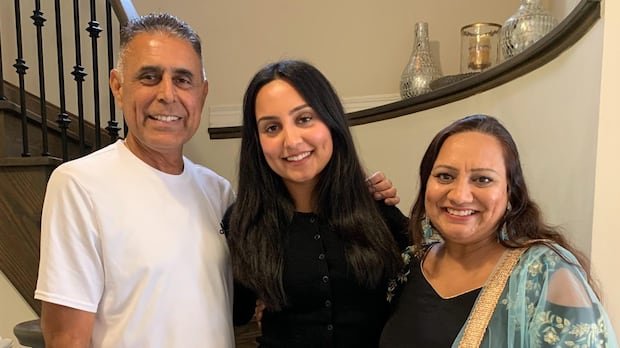
Gurleen Kaur Chahal, a first-year medical student from Brampton, expresses her enthusiasm for contributing to the healthcare system in her hometown, aiming to facilitate easier navigation for families like hers within the Canadian healthcare landscape while respecting their cultural heritage.
According to TMU, this new medical school is the first to open in the Greater Toronto Area in over a century. Out of 6,400 applicants, only 94 students were accepted, with the majority being Canadian residents, particularly from Ontario. Over 100 medical residents have also started training at the school, with hopes that many will choose to practice in the surrounding area.
Brampton, known for its diversity and rapid growth, faces significant healthcare resource shortages, with an expected 430,000 individuals in the Peel region alone without access to a family doctor by the next year. The school’s dean, Dr. Teresa Chan, highlights the importance of training medical professionals within the community they serve, as evidence suggests that where doctors undergo residency training often influences where they choose to practice.
Cultural understanding plays a crucial role in healthcare delivery, as highlighted by the experiences of students like Samah Osman, who had to interpret medical information for her family as a child. Misinterpretation due to language barriers can lead to misunderstandings, emphasizing the need for culturally sensitive care in medical practice.
In a broader context, the College of Family Physicians of Canada emphasizes the significance of community-based family medicine in addressing the healthcare gaps for over six million Canadians without access to a family doctor. Dr. Arun Garg, from the South Asian Health Institute at Fraser Health in B.C., applauds TMU’s focus on culturally sensitive care, emphasizing its necessity in addressing health disparities among diverse populations.
As students embark on their medical journey at the new school, the importance of family and community support in reinforcing their commitment to providing inclusive and culturally sensitive healthcare services is highlighted. The evolving landscape of medical education aims to bridge healthcare disparities and foster a more equitable and culturally aware healthcare system.

