
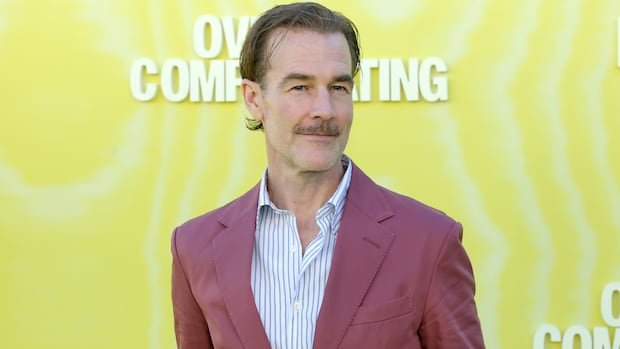

Following the recent passing of actor James Van Der Beek from colorectal cancer at 48, there was a significant public response of grief and support. Alongside this, attention was drawn to a GoFundMe campaign set up for Van Der Beek’s family, which rapidly amassed over $2.7 million US. The purpose of the fundraiser was to assist his wife and six children with essential living expenses, bills, education costs, and to maintain their current lifestyle to prevent potential financial struggles.
Subsequently, questions were raised by both the media and fans regarding the necessity of such fundraising efforts for well-known individuals like Van Der Beek. Culture critic Pablo The Don expressed sentiments echoing common inquiries, noting the sudden call for monetary aid from someone with a long-standing presence in the entertainment industry.
Van Der Beek, who passed away on February 11, is not an isolated case in this trend. There has been a noticeable shift in behavior where celebrities and their associates are turning to grassroots fundraising campaigns, soliciting donations from ordinary supporters to assist their personal circles rather than supporting broader charitable causes.
A conversation has emerged online following the deaths of James Van Der Beek and Eric Dane, questioning the use of GoFundMe by their families to alleviate financial burdens.
Engaging the public for financial assistance, especially when initiated by public figures or their close associates, often invites criticism. This becomes more pronounced when the beneficiaries of these campaigns are perceived to possess substantial personal resources and safety nets, contrasting with the individuals being asked to contribute.
Another recent case involved actor Eric Dane from Grey’s Anatomy, who tragically passed away on February 19 after publicly disclosing an ALS diagnosis around 10 months prior. Despite initial removal by GoFundMe, a page dedicated “to support his girls and their future needs” was later reinstated and has garnered over $400,000 US in donations.
Various GiveSendGo campaigns were established to aid Erika Kirk, the widow of right-wing commentator Charlie Kirk who was assassinated. These campaigns collectively raised millions, although the origins remain unclear in many instances. Additionally, in a previous incident, actress Mandy Moore defended her decision to seek donations from fans to assist her brother-in-law and his wife following the loss of their home in the L.A. wildfires.
“We just lost most of our life in a fire, too,” Moore responded to critics in a now-deleted Instagram comment.
“Kindly F OFF. No one is forcing you to do anything.”
Controversy Surrounding Crowdfunding
Over the past years, several celebrities, including Alyssa Milano, Brittany Mahomes, Megan Fox, and Kylie Jenner, have faced backlash for initiating or promoting GoFundMe campaigns for their acquaintances or family members. Criticism has not only stemmed from the public but also from within the entertainment industry itself.
British actor Jameela Jamil expressed disdain towards affluent celebrities resorting to GoFundMe, emphasizing their ability to address financial needs without relying on public donations.
Actor Mickey Rourke distanced himself from an online fundraiser launched without his consent to prevent eviction, vehemently rejecting the idea of soliciting financial support from fans.
<p
