


DISCLAIMER: The following narrative involves accounts of experiences within residential schools.
Doug George-Kanentiio, who endured an 18-month stint at the Mohawk Institute in the 1960s, emphasized the importance of preserving the physical structure where he and numerous others suffered abuse.
Expressing his sentiments to CBC News, George-Kanentiio, a resident of Akwesasne, a Kanienkehà:ka (Mohawk) community near Cornwall, Ont., emphasized the significance of allowing people to witness the reality of the school’s environment, ensuring that the children who perished there are not forgotten.
According to George-Kanentiio, the former Mohawk Institute, which held the title of Canada’s longest-operating residential school, has been transformed into the Woodland Cultural Centre and is set to open as a museum to the public for the first time on Sept. 30, National Day for Truth and Reconciliation.

Prior to its official opening on Sept. 30, the Woodland Cultural Centre hosted a pre-opening event featuring survivors as speakers, allowing attendees to explore the premises.
Between 1828 and 1970, approximately 15,000 children from 60 communities nationwide were enrolled in the residential school, managed by the Anglican Church and federal government. The Survivors’ Secretariat revealed that at least 105 students passed away during their time there due to various causes.
Following the closure of the residential school, the Woodland Cultural Centre was founded to focus on research and artifact collection, remaining closed to the public for renovations since 2019.
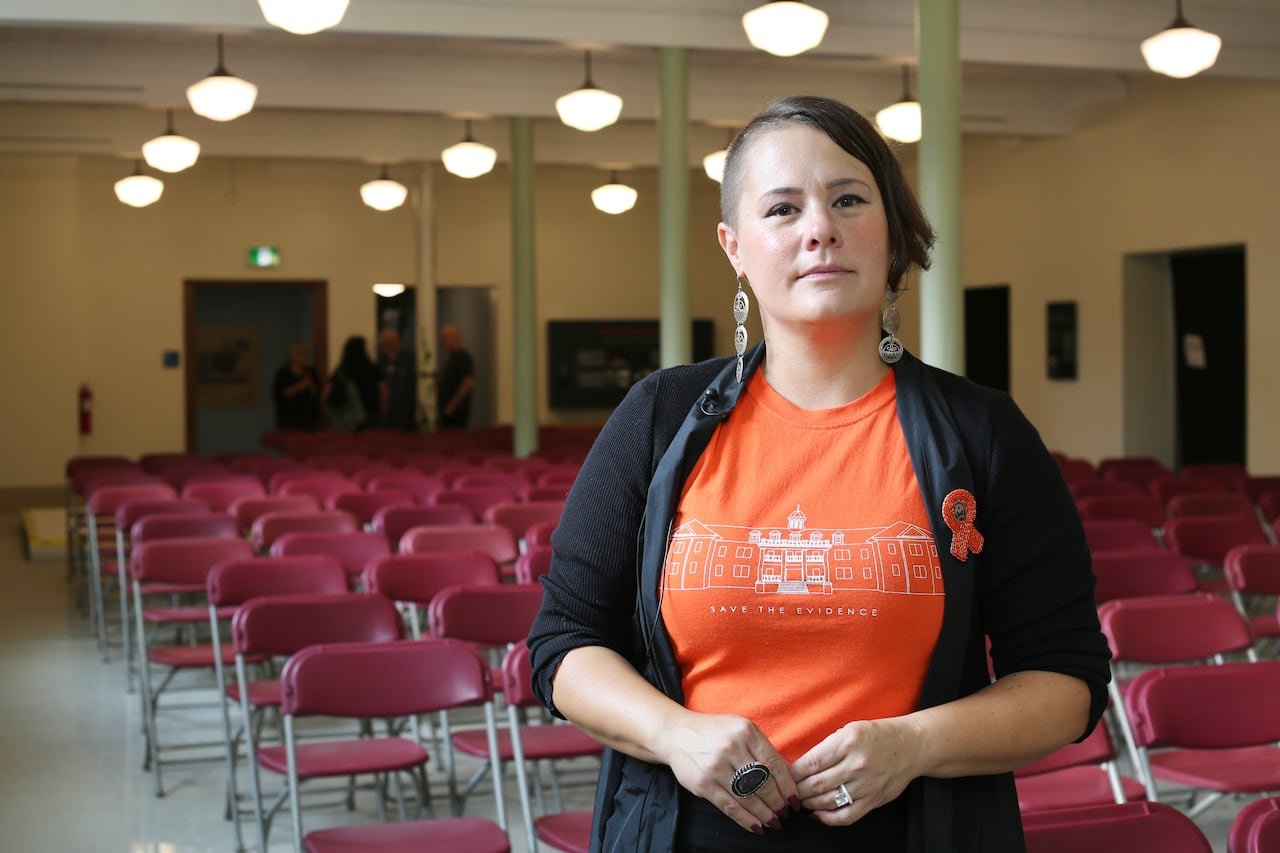
Heather George, serving as the executive director and chief curator of the Woodland Cultural Centre, highlighted the personal connection many staff members have to the residential school, emphasizing the importance of representing the survivors’ narratives within the historical space.
George stressed the necessity of renovations, such as asbestos and lead paint removal, citing the survivors’ feedback about the building now appearing too sanitized.
To honor the survivors’ voices, the museum’s design incorporates their words inscribed on various surfaces throughout the building.
