
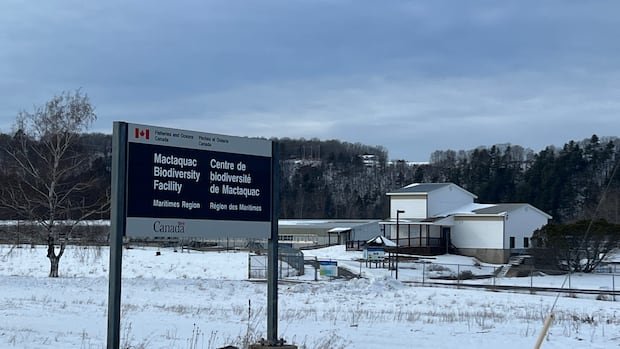
The closure of the Mactaquac Biodiversity Facility, located near the Mactaquac Dam on the St. John River, has sparked criticism from the Wolastoqey Nation, Atlantic salmon experts, and conservationists. This decision is part of the Department of Fisheries and Oceans’ cost-cutting measures, resulting in the shutdown of two facilities in the region, including the one in French Village, New Brunswick, and another in Coldbrook, Nova Scotia.
The discontinuation of the Atlantic salmon live gene bank program, operated by the staff at these facilities, has raised concerns among the Wolastoqey group, representing six Wolastoqey communities. They expressed disappointment over not being consulted about the closure, emphasizing the impact on their Aboriginal and Treaty rights, as well as the salmon population in the river.
According to Tommi Linnansaari, a biology professor at the University of New Brunswick, the Mactaquac facility plays a crucial role in various salmon conservation programs. The facility is responsible for collecting wild brood stock, fertilizing eggs, and releasing baby salmon into different locations upstream. Additionally, it helps in the growth and release of juvenile salmon back into the Tobique River, contributing to the preservation of salmon populations.
The closure of the hatchery will have severe repercussions on the dwindling salmon populations in the St. John River, as highlighted by David Roth, the New Brunswick program director for the Atlantic Salmon Federation. He stressed that these operations are vital for sustaining the salmon populations and expressed concerns about the potential negative impact of the closure.
The Wolastoqey Nation is currently assessing the implications of the decision, including the loss of jobs, training opportunities, and its effects on salmon conservation. The agreement signed in 1968 between the federal government and N.B. Power, establishing the Mactaquac Biodiversity Facility, aimed to mitigate the ecological impact of the Mactaquac Dam.
Despite the closure being a cost-saving measure, experts like Linnansaari and Roth believe that revamping the recovery programs or upgrading the facility could enhance salmon conservation efforts. They emphasize the importance of continuous operations at the hatchery to prevent irreversible damage to the salmon populations in the region.
It is essential for the federal government to address the concerns raised by various stakeholders and work towards sustainable solutions for maintaining the biodiversity and salmon populations in the affected regions.

