
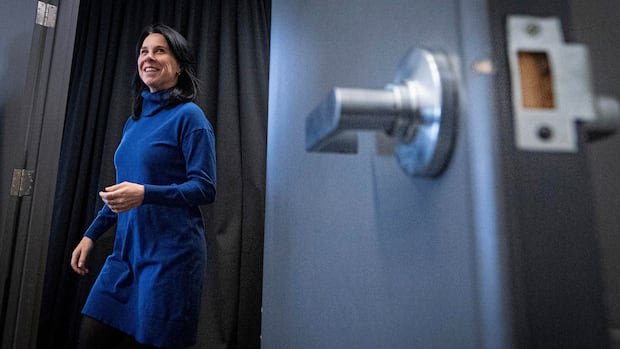
Valérie Plante created history in 2017 by defeating Denis Coderre to become the first female mayor of Montreal. Plante entered city hall with ambitious pledges, including enhancing the city’s green spaces, improving transportation, and increasing affordable housing options.
Her unexpected victory marked a shift towards progressive politics in Montreal, resonating with supporters who viewed her as a refreshing change from previous administrations. Despite facing challenges, Plante’s leadership was characterized by optimism and a commitment to addressing key issues facing the city.
Plante’s triumph also marked the first mayoral win for Projet Montréal, a party established in 2004 in Montreal’s Plateau neighborhood. Her successful reelection in 2021 during the global pandemic underscored her popularity and dedication to leading Montreal with positivity and inclusivity.
As Montreal transitions to a new mayoral era, evaluations of Plante’s legacy continue. While some praise her efforts to promote sustainable urban development and combat climate change, critics highlight perceived shortcomings in housing policies and infrastructure decisions.
Throughout her tenure, Plante prioritized initiatives such as expanding the city’s cycling infrastructure and promoting green spaces. However, challenges like the delayed Pink Line Metro project and unmet housing targets have sparked debates about the effectiveness of her administration’s policies.
Plante’s administration faced criticism for its handling of homelessness and drug-related issues, prompting discussions about the city’s social challenges. As her term concludes, assessments of her leadership style and policy decisions remain varied within Montreal’s political landscape.
Despite facing scrutiny, Plante’s legacy as Montreal’s first female mayor and environmental advocate is expected to endure. Her resilience in navigating complex issues, coupled with her ability to engage with challenges humorously, has left a lasting impact on the city’s political narrative.

