
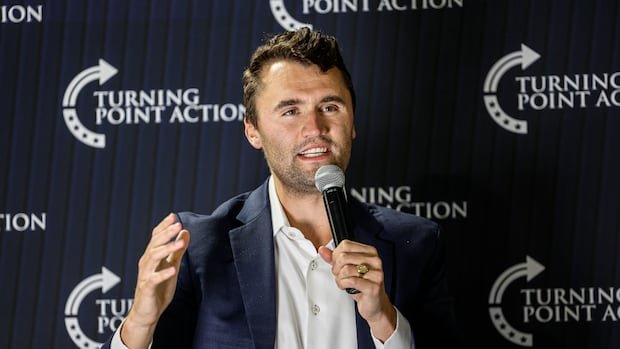
Before law enforcement had apprehended a suspect or pressed charges in the recent murder of Charlie Kirk, influential figures were advocating for the death penalty for the perpetrator. Utah Governor Spencer Cox vowed to bring the culprit to justice to the fullest extent of the law, emphasizing the existence of the death penalty in Utah.
Even before the suspect’s arrest was confirmed, U.S. President Donald Trump expressed his expectation of the shooter being found guilty and receiving the death penalty. Tyler Robinson, the 22-year-old suspect, was later arrested and charged with multiple serious offenses, including aggravated murder, felony firearm discharge causing bodily harm, and crimes committed in front of a child.
While presenting the evidence and charges, Utah County Attorney Jeff Gray mentioned the possibility of Robinson facing the death penalty if convicted. Despite a decline in new death sentences and executions in the U.S., Utah remains one of the states where the death penalty is still permissible.
Utah’s history with the death penalty dates back to the early 1970s, and since then, eight individuals have been sentenced to death and executed in the state. The most recent execution occurred in 2024, highlighting the state’s selective use of capital punishment due to the substantial resources and legal complexities involved.
The charges against Robinson, particularly aggravated murder, make him eligible for the death penalty. Prosecutors must prove intentional homicide with aggravating factors to pursue a capital offense. Factors such as Robinson’s background and circumstances will be weighed against the severity of the crime during the legal proceedings.
While the pursuit of the death penalty is not uncommon in Utah, the decision involves various considerations, including financial implications and the likelihood of securing a death penalty conviction. Political influence may also play a role in such cases, impacting the trial’s publicity and complexity.
Ultimately, the decision on Robinson’s sentence, whether life imprisonment or death, will rest with either a unanimous jury verdict or the presiding judge. Authorities have indicated their intent to seek the death penalty, taking into account the wishes of Charlie Kirk’s family during the legal process.

