
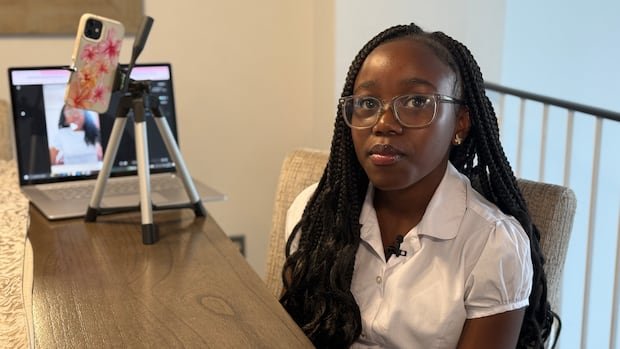
Chloe Kizito, a 16-year-old fact checker and youth journalist from Kitchener, Ontario, frequently encounters misleading health and science videos on her social media feeds. She works with MediaSmarts to create educational content for teens, helping them assess the credibility of online information.
In recent times, Kizito has observed a surge in health misinformation due to the prevalence of deepfakes and artificial intelligence on social media platforms. These deceptive videos often manipulate images of well-known figures to spread false narratives.
Various medical organizations, including the Canadian Medical Association, have urged governments, healthcare providers, and educators to combat the spread of false health information. Misinformation, they warn, can lead individuals to reject proven treatments, resulting in severe consequences, including fatalities.
Tim Caulfield, a law professor at the University of Alberta and a signatory to the CMA’s initiative, notes that social media influencers and podcasters have significantly contributed to the dissemination of health misinformation. He emphasizes the politicization of health topics, which complicates efforts to correct misconceptions and change public perceptions.
Dr. Joseph Dahine, an intensive care physician in Quebec, actively addresses misinformation on platforms like TikTok to combat the spread of false information. He shared a distressing incident where a COVID-19 patient, influenced by misinformation, refused necessary medical interventions and tragically passed away.
The CMA emphasizes the critical need to enhance access to primary care and provide patients with accurate scientific information in a compassionate manner. Dr. Margot Burnell, CMA’s president, stresses the importance of seeking medical advice from qualified professionals rather than relying on online sources for healthcare guidance.
To address the challenges posed by health misinformation, experts recommend educating the public on identifying and debunking false information, fostering critical thinking skills, and promoting media literacy. Encouraging individuals to verify sources, pause before sharing content, and consult reliable sources can help mitigate the impact of misinformation.
Chloe Kizito advises individuals to verify the credibility of content before sharing it and emphasizes the importance of seeking information from reputable sources. MediaSmarts provides practical steps to identify misinformation, such as fact-checking stories, verifying original sources, and cross-referencing information with reliable news outlets.

