
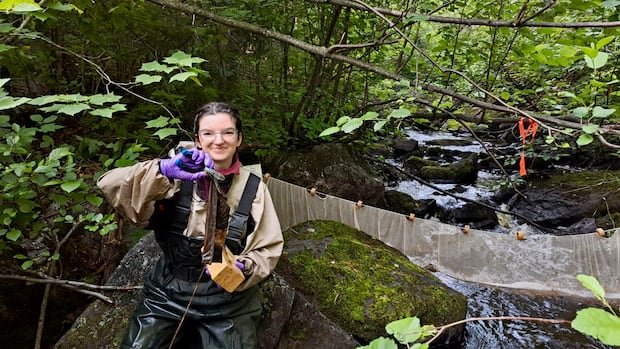
Exploring forests and streams in northwestern Ontario, researchers from Trent University are delving into the impact of forestry practices and climate change on brook trout populations and freshwater ecosystems. The team is conducting their study in the Walkinshaw and Wolf watersheds, located northeast of Thunder Bay, focusing specifically on headwater streams that feed into larger water bodies across the Great Lakes region.
Amidst significant disturbances in northern freshwater ecosystems, including forest harvesting and climate change, PhD student Celeste Milli, leading the fieldwork, highlighted the rise in water temperatures as a consequence of climate change. The team is investigating the potential effects of these temperature increases on stream ecosystems, emphasizing the sensitivity of brook trout, a cold-water species crucial for assessing ecosystem health.
“Brook trout are known to thrive in cooler environments, showing signs of distress even at temperatures around 19 to 20 degrees,” explained Milli.
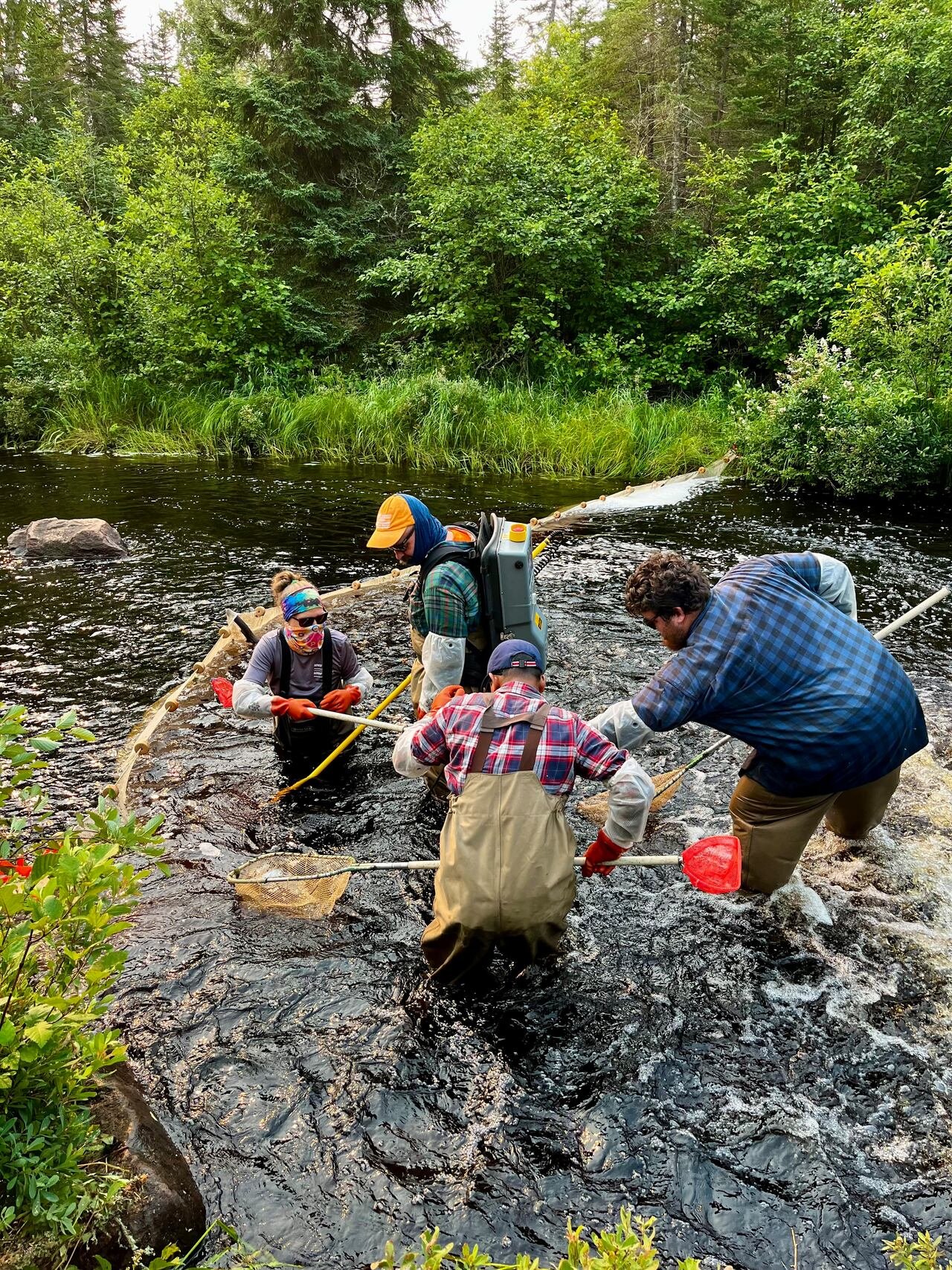
The research involves a blend of conventional and innovative techniques, such as electrofishing to temporarily immobilize fish for measurement, counting, and release. Additionally, environmental DNA sampling is utilized to estimate populations and evaluate food webs without disrupting the natural habitat. Milli also gathers samples of insects and biofilm to gain insights into how forest management practices and temperature changes influence the aquatic food chain.
Supervised by Andrew Tanentzap, Canada Research Chair in Climate Change and Northern Ecosystems, the project aims to collaborate with the Canadian Forest Service and the Department of Fisheries and Oceans to enhance forest management strategies for safeguarding aquatic biodiversity and freshwater health.
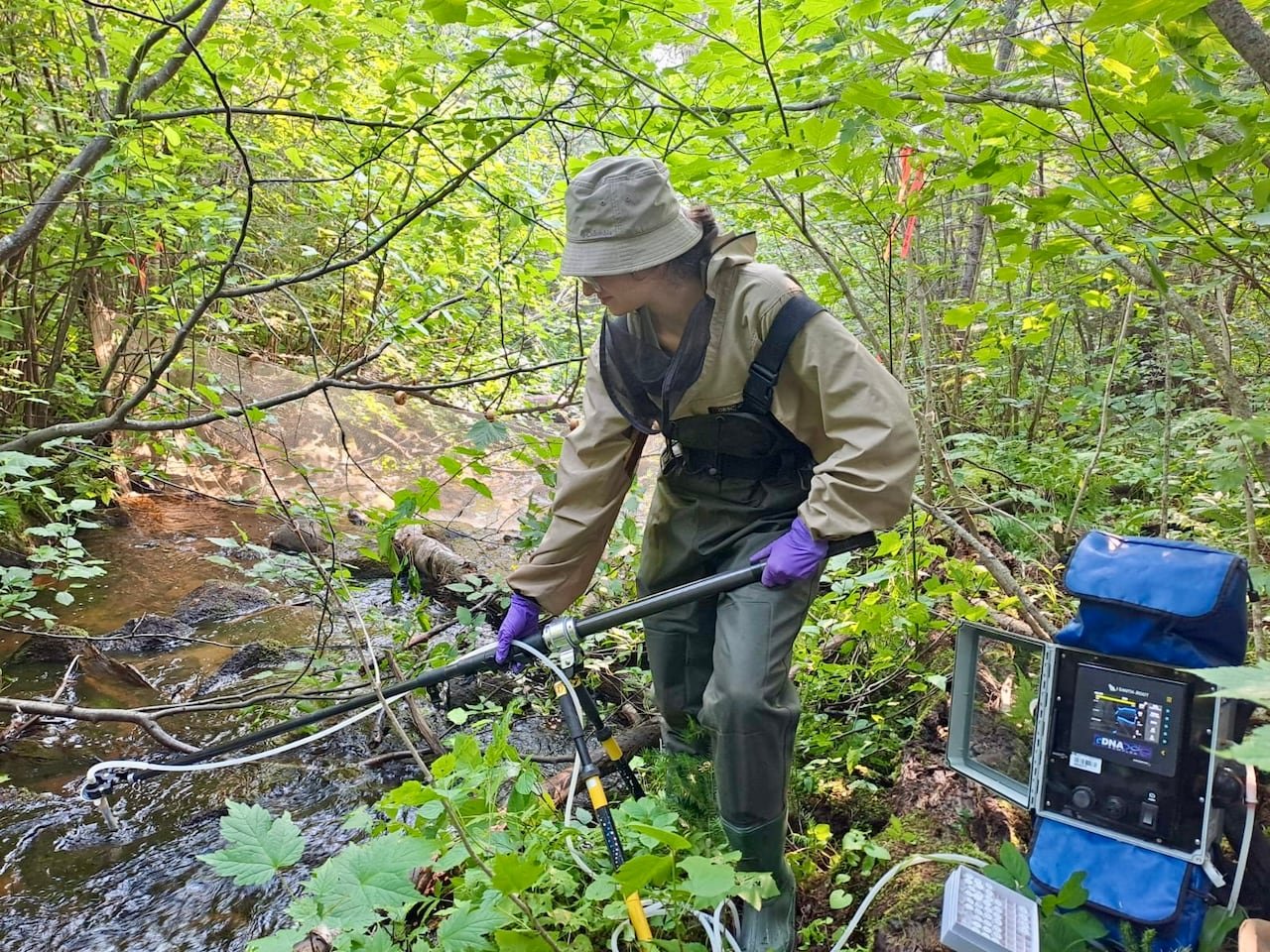
Building on previous studies in New Brunswick and near Sault Ste. Marie, this research collaboration between Trent University and various governmental bodies like the Canadian Forest Service, Fisheries and Oceans Canada, and Ontario’s Ministry of Natural Resources aims to contribute valuable insights for science-based policy formulation in northern forest regions of Canada.
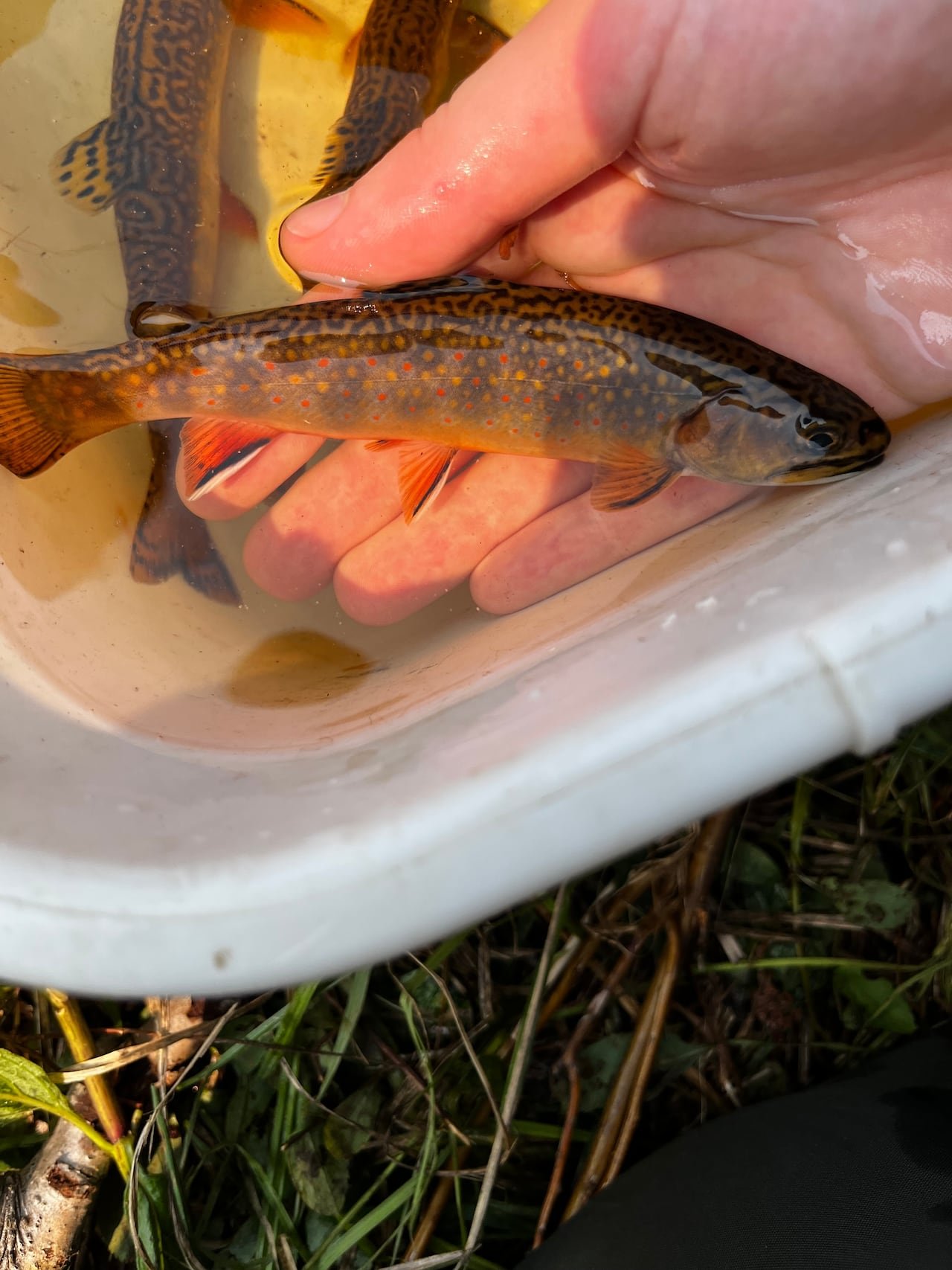
Milli expressed optimism that the outcomes of the study will provide valuable information for federal partners in the coming years, aiding in the formulation of informed decisions to ensure the resilience of forest ecosystems and freshwater resources in the face of a changing climate.
The research team aspires to share their findings with federal stakeholders in the near future, contributing to the ongoing efforts to preserve and protect Canada’s northern forests.

