
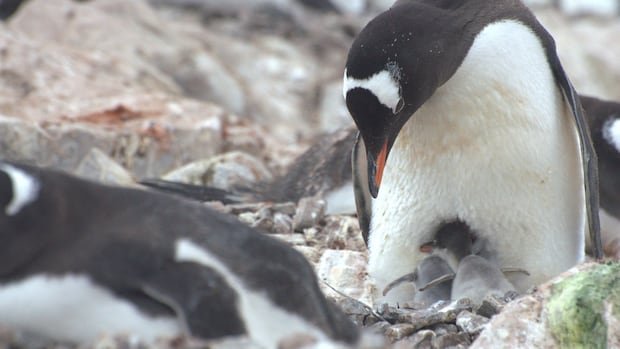
A recent 10-year study has revealed that penguins in Antarctica are rapidly altering their breeding behaviors in response to escalating temperatures caused by climate change. The research, led by biologist Ignacio Martinez from the University of Oxford and published in the Journal of Animal Ecology, focused on three penguin species and highlighted varying rates of adaptation among them based on individual traits and vulnerabilities.
According to Martinez, the study suggests a potential divide between “winners and losers of climate change” among the penguin species. Gentoo penguins, known for their ability to consume fish alongside krill and sustain year-round nesting grounds, displayed the most significant adjustment in their breeding season, shifting approximately 13 days earlier on average. Martinez described this shift as the quickest observed change in any vertebrate species to date.
On the other hand, chinstrap and Adélie penguins, heavily reliant on krill for sustenance and engaging in extensive migrations throughout the year, experienced an average shift of 10 days in their breeding seasons. The study utilized a network of 77 time-lapse cameras to monitor these penguin colonies across Antarctica, emphasizing the urgency of their observations given the region’s rapidly accelerating climate change rates, which are up to three times faster than the global average.
While the rapid adaptation of penguins to changing environmental conditions over the study period is commendable, the researchers caution that the varying rates of adaptation among species may lead to conflicts over resources and territory. Despite the Gentoos seemingly gaining an advantage by establishing new colonies and increasing their population while the other species decline, Martinez underscored the concerning outlook for the overall future of penguins.
Moreover, the study’s implications extend beyond penguins, reflecting a broader trend of species adjusting their breeding and migration patterns in response to climate change. A recent study published in Nature Communications highlighted similar shifts in activities among 75 bird, mammal, and reptile species worldwide, with a focus on activities like egg laying occurring earlier, particularly in species situated closer to the poles.
While the penguin study did not directly assess the impact of the breeding season shifts on penguin populations, Martinez and his team plan to investigate this aspect further. The research indicates that species across various ecosystems are adapting to changing climates, with potential implications for biodiversity and ecological balance.
Overall, the findings underscore the urgent need for continued research and conservation efforts to safeguard vulnerable species in the face of ongoing climate challenges.

