
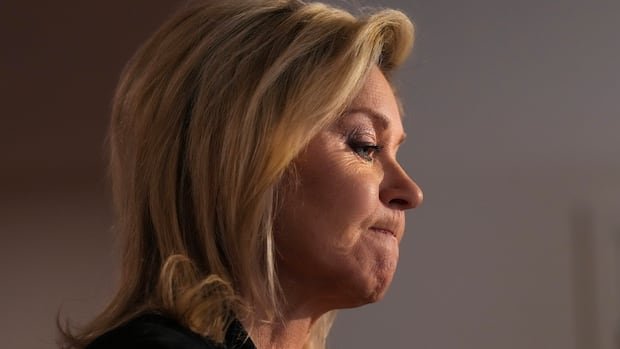
Bonnie Crombie steps down as the Ontario Liberal Leader following a lackluster performance in a leadership review, signaling a challenging period for the party as they embark on the process of selecting a new leader once again.
Crombie’s resignation came after garnering 57% support from delegates at a party meeting in Toronto, post a disappointing third-place finish in the recent provincial election, where Premier Doug Ford secured a majority government.
Initially, Crombie had hinted at staying on during the convention but later decided to exit after consulting with the party executive. In her statement, she stated that facilitating a smooth transition towards a leadership vote was the best choice for the Ontario Liberal Party.
Throughout the summer, Crombie campaigned extensively across the province to secure delegate backing before the crucial vote, amid growing internal party rifts and calls from former leadership contenders and members for her removal.
A critical campaign analysis released earlier criticized Crombie’s team strategy during the election period, highlighting both positives like improved seat count and efforts to regain official party status, as well as negatives such as focusing on healthcare as the core theme and allowing Ford to shape the narrative around the vote.
Ontario Liberals are now set for their third leadership contest since 2018, with the party previously holding power for over 14 years before their defeat in 2018 and subsequent third-place finishes in consecutive elections. Plans for the new leadership race launch are yet to be announced.
Liberal strategist Charles Bird anticipates a prompt selection of Crombie’s successor to avoid delays in establishing a new leader’s rapport with the people of Ontario. Additionally, Bird suggests the party may consider candidates outside the existing 14-member caucus at Queen’s Park to inject fresh perspectives and generate public interest.
Key critics of Crombie, such as federal MP Nate Erskine-Smith, underscore the need for a new leadership race to attract talent, contributions, and public attention to revitalize the party effectively. University experts highlight the contrasting political ideologies represented by Crombie and Erskine-Smith within the party, emphasizing the need for a substantial debate on the party’s identity.
The campaign debrief also exposes systemic issues within the party, including insufficient support for volunteers in rural areas, a conservative approach to spending between elections, and a lack of engagement with diverse groups. Calls for addressing these ongoing challenges have been reiterated by party insiders and external observers alike.
Despite discontent with Crombie’s leadership, the prospect of a new leadership competition may further exacerbate internal divisions, potentially hindering the party’s competitiveness in future elections, as noted by political science experts. The Liberal Party faces a period of introspection and transformation as they navigate the aftermath of Crombie’s departure and prepare for the upcoming leadership race.

