
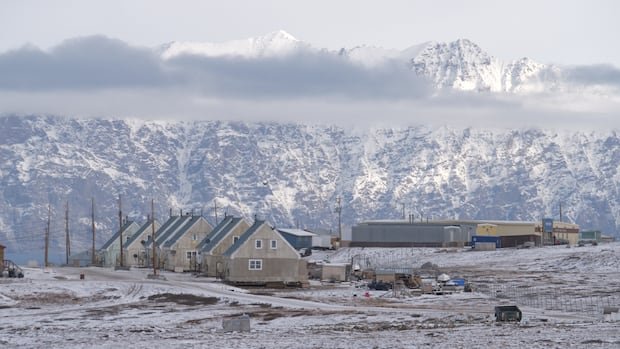
Verna Strickland was getting ready for a wedding shortly before a tragic event occurred in her family. She shared how her young relative, only 13 years old, unexpectedly took his own life on July 7. The community of Mittimatalik (Pond Inlet) in Nunavut experienced three suicides within a brief period, prompting concerns and investigations by authorities.
Despite the devastating loss, Strickland mentioned that the family is trying to cope with the overwhelming support they have been receiving. She fondly described the young relative as a vibrant and caring individual who enjoyed hunting and was a devoted son and brother, highlighting the potential he possessed.
Recent data presented in the legislature revealed alarming suicide statistics in Nunavut, with a significant number of deaths occurring among Inuit individuals. The report indicated that a low percentage of those who died by suicide had sought mental health support in the year leading up to their deaths. Furthermore, the Nunavut Representative for Children and Youth’s annual report emphasized that young people under 19 accounted for a notable portion of recorded suicides in the region.
In response to the escalating suicide crisis, various organizations and authorities have stepped in to provide support and resources to affected communities. Efforts from groups like the Canadian Red Cross and Pulaarvik Kablu Friendship Centre have brought comfort and healing through counseling sessions and engaging activities such as rock painting and community gatherings.
The tragic incidents in Pond Inlet prompted swift actions from the Health department and other organizations to prevent further harm. Tununiq MLA Karen Nutarak acknowledged the critical role of interventions in averting potential escalations and ensuring adequate mental health support for at-risk youth. Nevertheless, the profound impact of such losses on the community remains a somber reality.
Nunavut’s health minister, John Main, emphasized the importance of ongoing efforts to address the high suicide rates in the territory. Initiatives include enhancing housing support, educational programs on firearm and medication safety, and allocating funds for mental health services. Main stressed the necessity of tangible actions beyond mere expressions of sympathy to effectively combat the crisis.
As discussions on suicide prevention continue at various levels of government, stakeholders are exploring new strategies to tackle the underlying issues contributing to the alarming rates of youth suicide in Nunavut. The urgency to implement meaningful solutions has been heightened by successive tragedies, prompting a collective call for sustained action and support for affected communities.

