
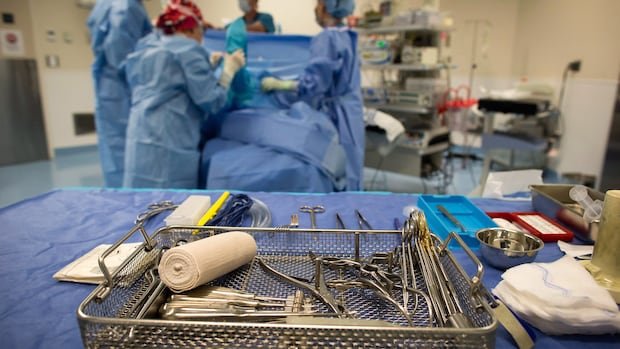
Manitoba is experiencing an uptick in wait times for key diagnostic tests and surgeries, with some surpassing pre-pandemic levels. Recent provincial data indicates delays in publicly reported surgeries in 2025, particularly for procedures like cataract and hip and knee surgeries. Despite this, wait times for spinal surgery in Winnipeg have shown improvement compared to the previous year, as stated by Shared Health, the province’s health organization.
Individuals awaiting surgeries express frustration over the prolonged delays, questioning the reasons behind the increasing wait times and the lack of substantial progress in reducing them. One such case is Stacey Terry, a 48-year-old from Brandon, who has been waiting for cataract surgeries since April without a confirmed date, causing concern over her deteriorating vision and ability to care for her elderly father.
While the median wait time from consultation to surgery is around 12 weeks this year, up from nine weeks last year, some patients like Terry find themselves waiting beyond the recommended benchmark of 16 weeks for cataract surgery. Dr. Ed Buchel, the provincial surgical lead at Shared Health, attributes the apparent rise in waits to the organization’s focus on prioritizing patients with longer wait times, leading to a skewed reporting of data that may not fully reflect the increased volume of surgeries being performed.
Shared Health has reported an increase in the number of cataract, hip and knee, and spinal surgeries conducted annually, with efforts to address the backlog and reduce wait times for these procedures. Despite these efforts, patients like Mandy Grove, a woman from western Manitoba, continue to endure prolonged wait times for spine surgery, raising questions about the effectiveness of recent investments in improving surgical capacity.
The introduction of the Surgical Waitlist Information Management system by Shared Health aims to streamline the surgical booking process and prioritize patients based on their wait times. Although enhancements have been made to increase surgical capacity and reduce delays, patients like Grove remain in limbo, awaiting critical surgeries that significantly impact their quality of life.

