
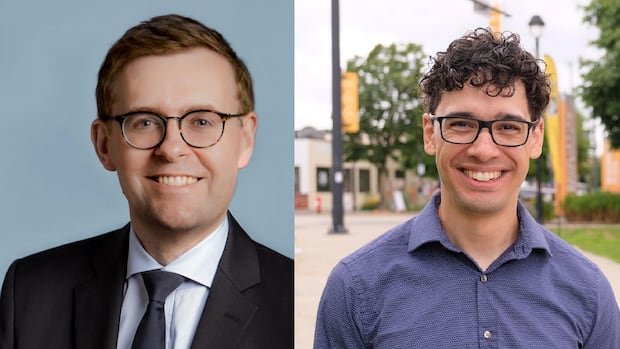
After a prolonged period of tension lasting three years, the dispute between two neighboring municipalities in British Columbia, the Township of Langley and City of Langley, has escalated into a public conflict that may lead to a reduction in the number of Langleys. Township of Langley Mayor Eric Woodward has expressed concerns about the effectiveness of having two separate municipalities in the greater Langley area. He believes that politicians in the City of Langley rely on the existence of the city to maintain their roles and would struggle in the township.
Woodward, representing the township-based political party Progress For Langley, recently registered with Elections B.C. in the neighboring City of Langley for the upcoming civic election, indicating a possible expansion of the party’s reach. According to the 2021 census, the Township of Langley has a population of 132,603, while the City of Langley is home to 28,963 residents. The stark contrast in population size is accompanied by differences in land area, with the township covering approximately 30,722 hectares and the city only 1,018 hectares.
The township mayor has criticized the city’s governance, citing higher crime rates in the urban district, which he argues is subsidized by the larger suburban and rural municipality. Woodward also expressed doubts about the city’s preparedness for the upcoming SkyTrain extension in 2029, suggesting that the city lacks the resources to handle potential social issues and increased costs associated with the extension, which may impact the wider township.
The history between the Township of Langley and the City of Langley dates back to 1955 when the city separated from the township due to disagreements over funding for streetlights. Woodward aims to initiate discussions with city residents to explore the possibility of enhanced cooperation or a complete merger between the two municipalities.
In response, City of Langley Mayor Nathan Pachal has rejected Woodward’s proposals, viewing them as a potential threat to the city’s autonomy. Pachal believes that Woodward’s motives may be driven by a desire to access the revenue generated by the Cascades Casino, which contributes a significant amount to the city’s finances annually. However, Woodward has refuted these claims, emphasizing that the township’s financial situation is sustainable and necessary for accommodating its growing population.
While Woodward denies pursuing a takeover, he advocates for improved collaboration between the city and township on various issues. The ongoing tensions between the two Langleys reflect a long-standing debate on amalgamation, with differing perspectives on governance and fiscal matters. The future direction of the municipalities may hinge on upcoming events, such as the township council byelection and potential shifts in public opinion regarding governance styles.
Overall, the divergent viewpoints of Mayor Woodward and Mayor Pachal underscore the complexities of municipal governance and the challenges of fostering unity between neighboring jurisdictions with distinct characteristics and priorities.

