
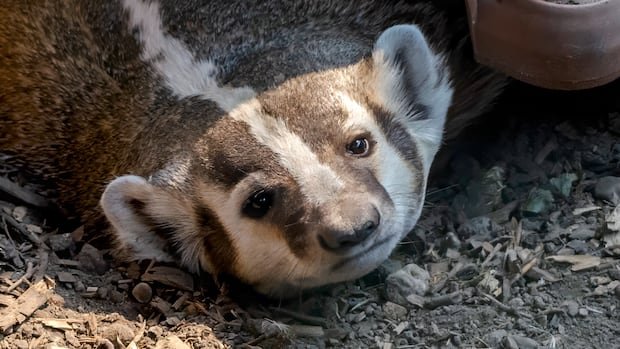
Badgers are a common sight on the Prairies, but a recent evaluation by federal authorities indicates that they are susceptible to the same dangers that threaten endangered badger populations in Ontario and British Columbia.
The American badger, the sole badger species in North America, is a sizable mustelid belonging to the weasel family. The Committee on the Status of Endangered Wildlife in Canada (COSEWIC) classifies badgers into three distinct populations and has identified the “Kootenay, Prairies, and Rainy River” population, covering areas across the Prairie provinces, southeastern British Columbia, and northwestern Ontario, as a matter of “special concern” as of December.
In contrast, the other two populations in southwestern Ontario and the B.C. Interior are labeled as endangered, with estimates indicating less than 250 adult badgers in each region. Chris Johnson, a member of the COSEWIC terrestrial mammals subcommittee from the University of Northern British Columbia, emphasized the challenge of estimating badger numbers due to their elusive behavior.
The assessment highlights habitat loss, vehicle collisions, and intentional killing by landowners as significant threats to badger populations nationwide. Johnson emphasized the importance of managing these risks to prevent badgers from sliding into more critical endangerment categories.
The designation of “special concern” by COSEWIC signifies the need for precautionary measures to safeguard a species from escalating to threatened or endangered status at the federal level.
Vehicle collisions are a prevalent cause of badger fatalities, with the Alberta government’s Wildlife Watch Program recording 112 badger roadkill incidents in 2024. Wildlife biologist Chris Fisher in Calgary noted the common occurrence of badgers near roads, attributing their presence to the ease of burrow excavation in sloped ditches. These locations also attract Richardson’s ground squirrels, a primary prey for badgers.
Fisher explained that badgers are more active during the night, making them challenging for drivers to spot. Their reliance on a keen sense of smell rather than sight further complicates their ability to avoid high-speed vehicles.
Regarding habitat loss, Fisher emphasized that the endangered badger populations in southwestern Ontario and the B.C. Interior have limited available land compared to the expansive habitats on the Prairies. The encroachment of suburban development into former badger habitats contributes to their endangered status.
Badgers play a critical role as “ecosystem engineers” in the grasslands, facilitating a diverse array of species to utilize their extensive burrow systems. Despite their ecological significance, badgers face persecution from humans due to concerns over property damage and livestock safety.
Recognized as a sensitive species in Alberta since 2000, badgers are not currently at risk of extinction in the province but may necessitate special protection measures. They are classified as furbearers in Alberta, allowing for regulated hunting and trapping, with landowners also permitted to eliminate badgers on their premises.
Fisher advocates for proactive conservation efforts, such as maintaining a safe distance from active badger dens during construction projects, to protect these vulnerable species and their habitats.

