
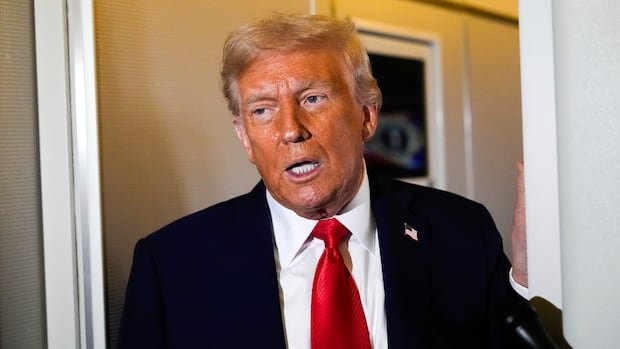
In U.S. President Donald Trump’s speech at Charlie Kirk’s memorial on Sunday, a notable moment caught the attention of the autism community. Trump hinted at a significant medical announcement, claiming a breakthrough in addressing autism, which garnered applause from the audience. The Trump administration later linked the rising rates of autism in the U.S. to the consumption of Tylenol, also known as acetaminophen, without providing substantial research to support the assertion.
Medical experts have refuted this claim, emphasizing the lack of causal evidence between acetaminophen and autism. Concerns within the autism community go beyond the Tylenol connection, with many individuals expressing skepticism about the framing of autism as a condition that needs to be cured or prevented.
Autism spectrum disorder (ASD) is a neurological condition impacting brain function, leading to challenges in communication and social interaction. The Health and Human Services Secretary, Robert F. Kennedy Jr., has pledged to identify the cause of autism by September, though experts attribute the increase in autism cases to enhanced screening and understanding of the disorder.
Despite decades of research highlighting the genetic component of autism, there is no conclusive evidence linking acetaminophen to the condition. Misinformation propagated by individuals in authoritative positions, like Trump, can be harmful, instilling unwarranted guilt and fear in parents of autistic children.
Efforts to blame acetaminophen for autism are viewed critically by the medical community, with organizations like the Society of Obstetricians and Gynaecologists of Canada advocating for the safe use of acetaminophen during pregnancy. Such misleading assertions contribute to stigmatization and hinder efforts to provide support and understanding for individuals with autism.

