
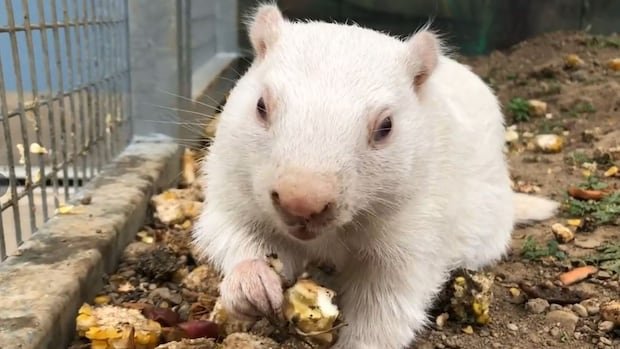
Wiarton Willie and other Canadian animal forecasters anticipate an early spring as they did not spot their shadows on Groundhog Day. The age-old tradition involves observing animals emerging from hibernation to predict the arrival of spring or prolonged winter. On February 2nd, various creatures, including groundhogs and Lucy the Lobster, made their predictions across Canada.
Shubenacadie Sam from Nova Scotia and Fred la marmotte from Quebec foresee an early spring, while Van Isle Violet in British Columbia and Punxsutawney Phil in Pennsylvania predict six more weeks of winter. The lore dictates that a sunny day leading to a shadow sighting prompts six more weeks of winter, whereas a cloudy day without a shadow signifies an early spring.
Wiarton, a town of 1,900 residents, hosts the Groundhog Day celebration at Bluewater Park, where Wiarton Willie makes his prediction annually at 8:07 a.m. ET. The event, spanning over 70 years, attracts tourists to the Bruce Peninsula. Festivities include breakfast, fireworks, curling, a chili cook-off, and family activities. The occasion serves as a reunion for many, fostering a sense of community and tradition.
Groundhog Day originated in the U.S. in 1886 with Punxsutawney Phil’s inaugural prediction. Wiarton’s tradition began in 1956 as a lighthearted affair and has since evolved into a significant annual event. While the accuracy of animal weather predictions varies, these prognosticators continue to captivate audiences each year.
Aside from Wiarton Willie, other unconventional predictors like Bonhomme Couèche, Manitoba Merv, Alberta’s Balzac Billy, and B.C.’s Okanagan Okie offer their unique interpretations on Groundhog Day. These diverse forecasts add to the charm and unpredictability of this beloved tradition.

