
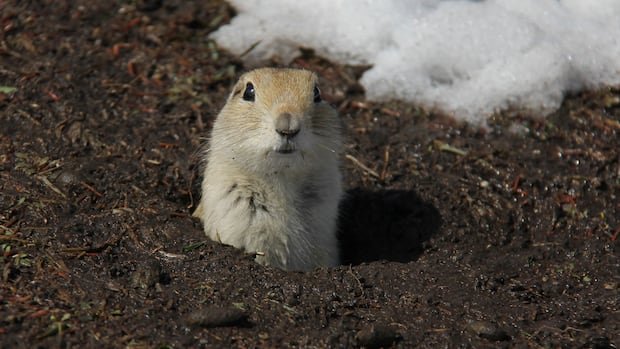

The Canadian government has granted permission for the controlled and time-restricted emergency use of strychnine in Alberta and Saskatchewan to combat the significant economic losses caused by an infestation of Richardson’s ground squirrels, commonly known as gophers.
After the Pest Management Regulatory Agency rejected an earlier proposal in February, Alberta and Saskatchewan jointly submitted a revised emergency-use request to Health Canada last week.
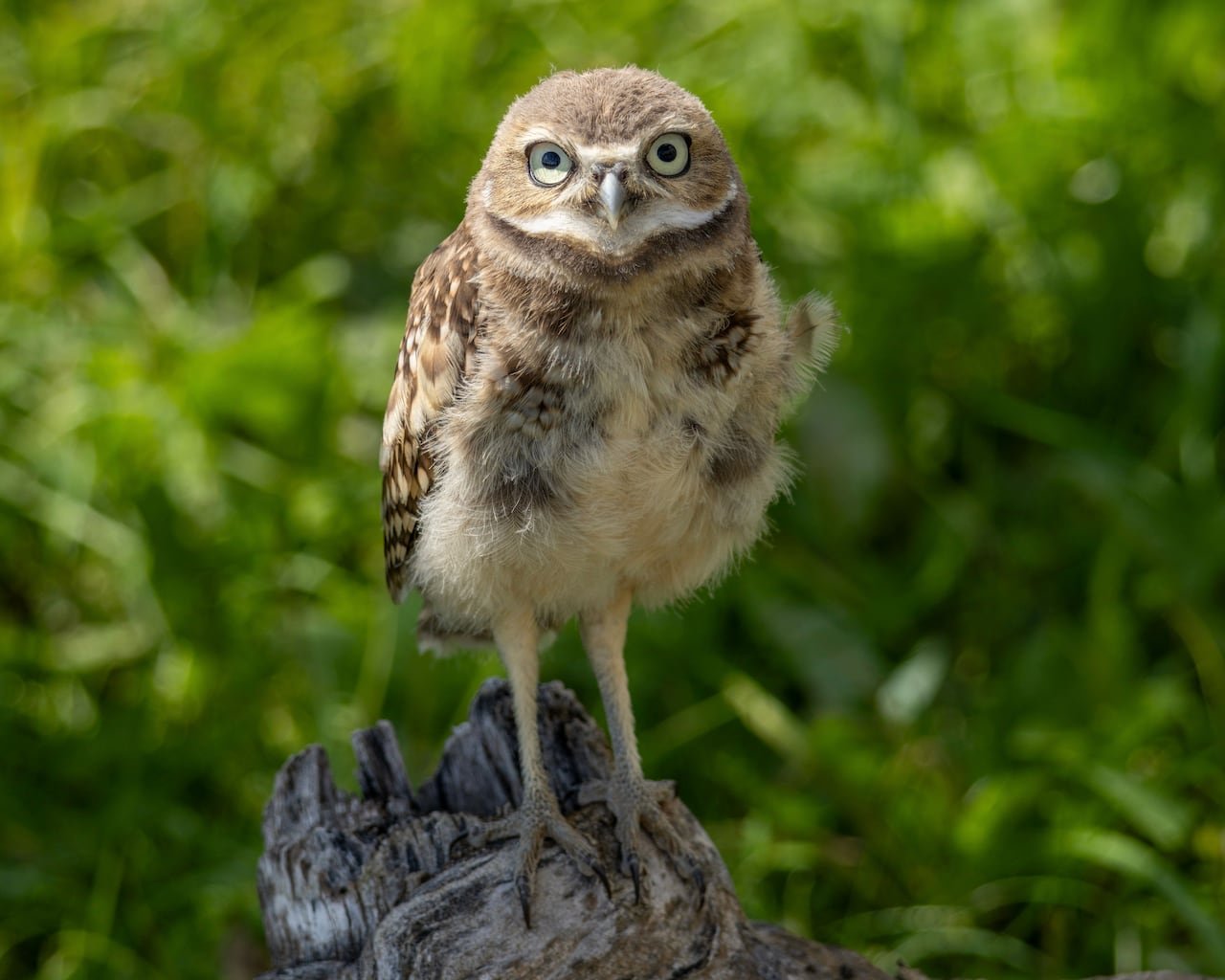
Health Canada stated that the ban on strychnine two years ago was due to the risks it poses to various wildlife species, including those at risk like the swift fox and burrowing owl, which may consume poisoned carcasses.
The approved request from the provinces includes additional restrictions and mitigation measures to reduce the environmental impact of the rodent poison to an acceptable level, as announced in a Health Canada news release on Monday.
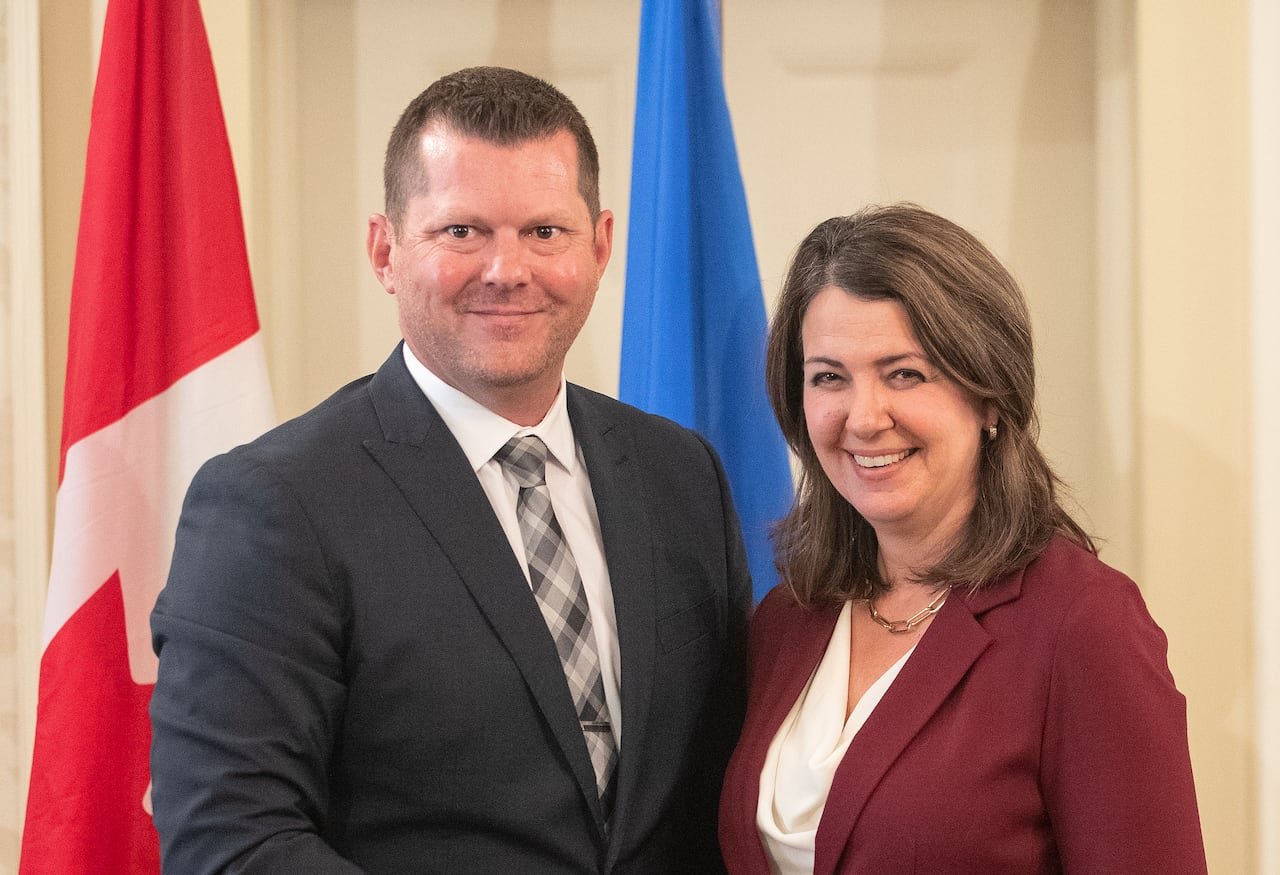
RJ Sigurdson, Alberta’s minister of agriculture and irrigation, described the authorization as excellent news for Prairie producers, emphasizing the importance of providing them with the necessary tools to manage their operations effectively and maintain high-quality products.
Under the Pest Control Products Act, the Canadian government is allowing the two provinces to register strychnine under emergency registration until November 2027.
Farmers in Alberta and Saskatchewan have been advocating for the reinstatement of strychnine to manage the increasing populations of Richardson’s ground squirrels that pose a threat to various crops.
Strychnine, in a two percent liquid form, was a commonly used solution for gopher control on farms in these provinces until the federal government began phasing out its use in 2020, ultimately banning it in 2024 due to environmental concerns associated with the poison.
David Marit, Saskatchewan’s minister of agriculture, expressed satisfaction with the approval of the emergency use request, highlighting the practical opportunity it provides for producers to demonstrate how strychnine can protect their crops and pastures from ongoing damage.
Wade Nelson, a farmer from High River, Alberta, voiced
