
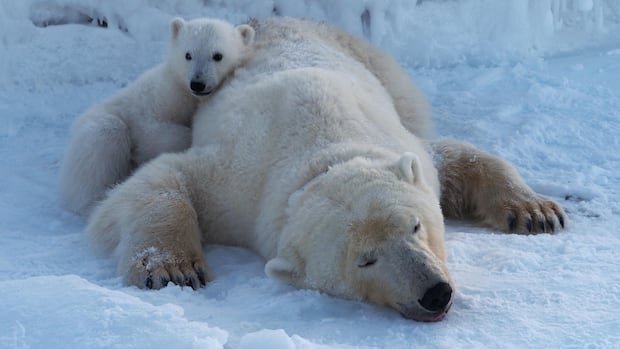

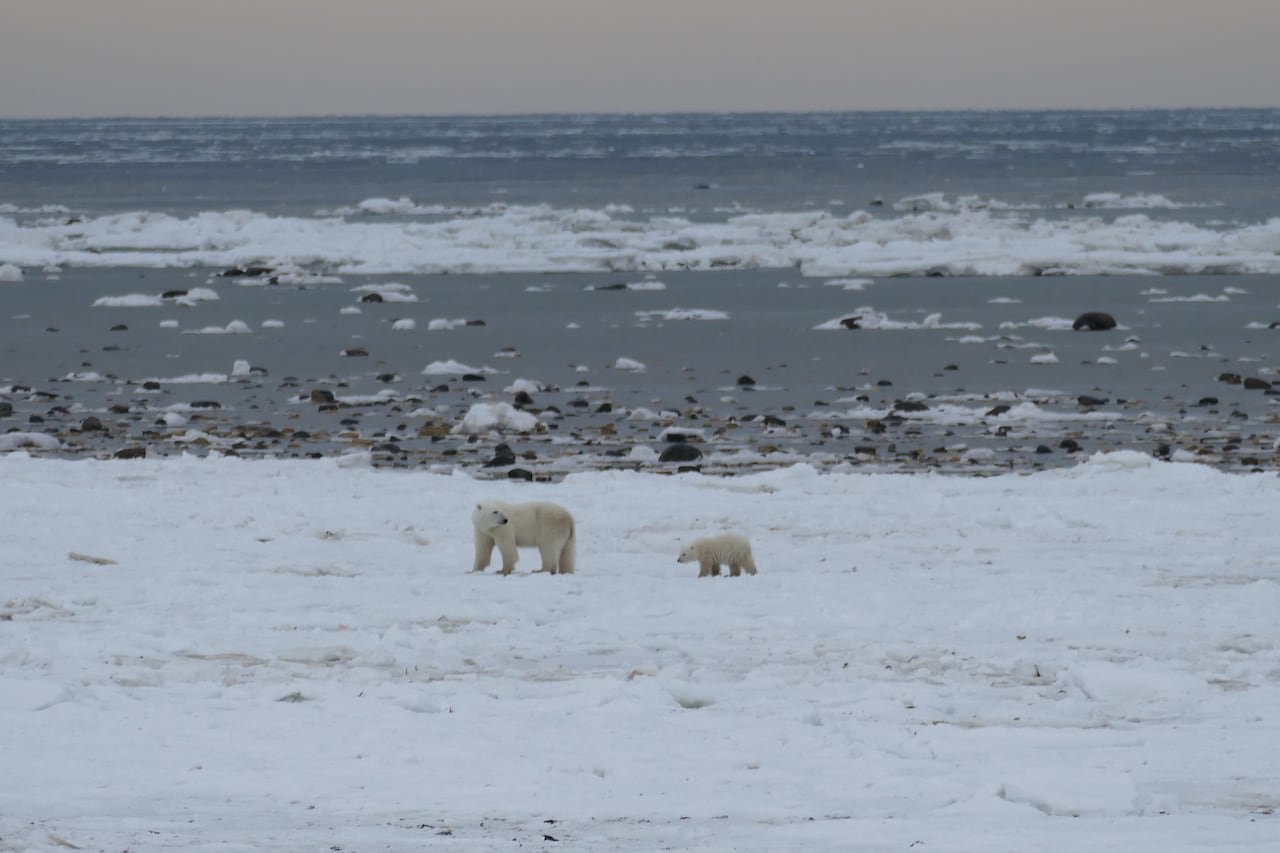
An isolated polar bear swimming extensively in an ice-free Arctic has become a symbol of the impact of a warming planet on wildlife. However, in the Barents Sea region north of Norway, the polar bears are currently faring well despite decades of diminishing sea ice and more frequent ice-free days, as revealed by recent research published in Scientific Reports.
According to co-author Andrew Derocher, a biological sciences professor at the University of Alberta, the polar bears in this specific subpopulation are managing fine in the area, which may appear contrary until considering the ecosystem as a whole.
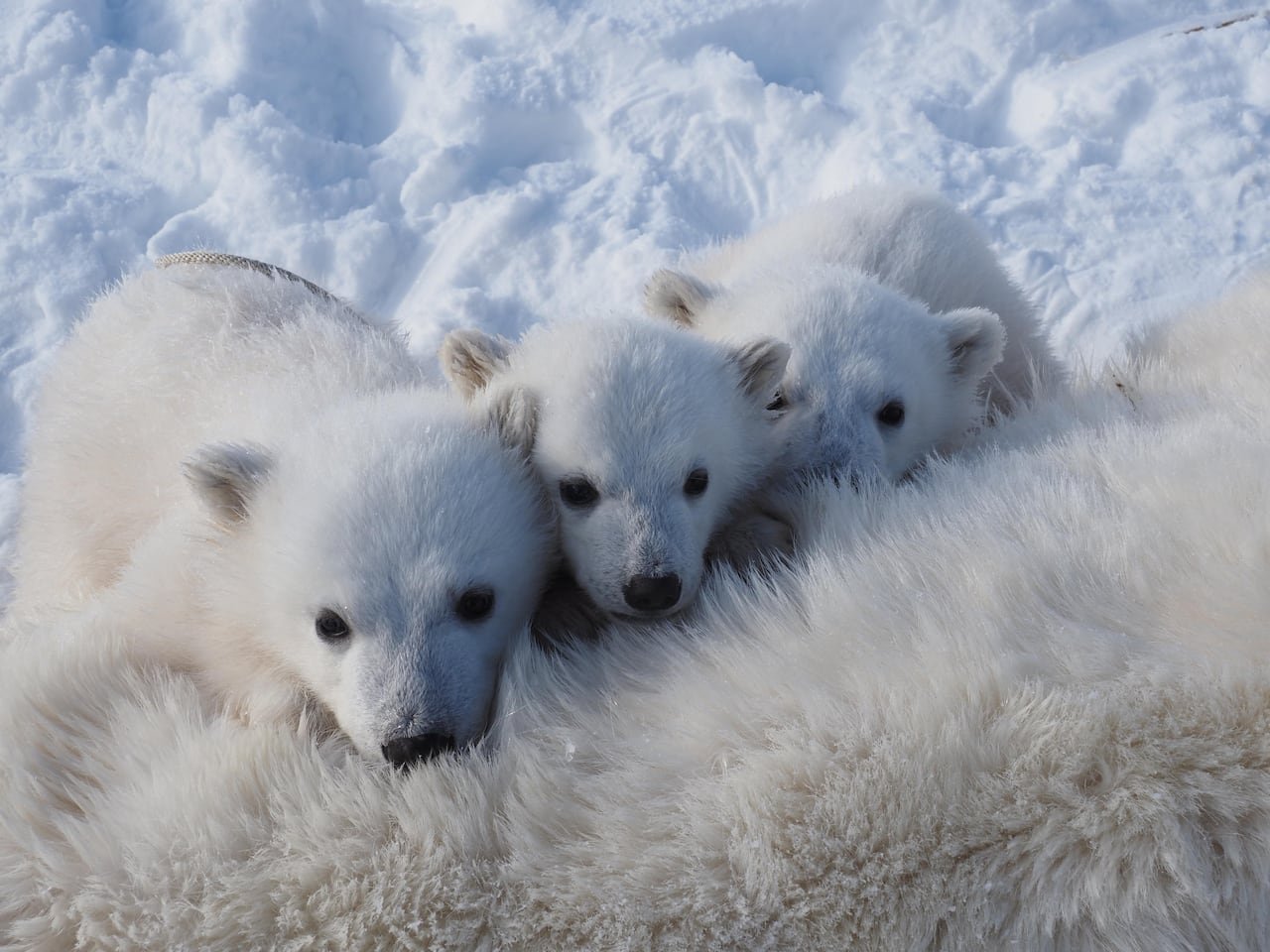
Despite the diminishing sea ice, the polar bears seem to be adapting well and finding adequate food sources to sustain themselves. This adaptation highlights the variability within populations of species impacted by human-induced climate change.
Marie Auger-Méthé, a statistical ecologist at the University of British Columbia not involved in the study, emphasized that while some animals may benefit from changing conditions, this adaptation among the Barents Sea polar bears could be temporary, and further sea ice loss would still pose a significant threat to their survival.
Extensive Live Captures
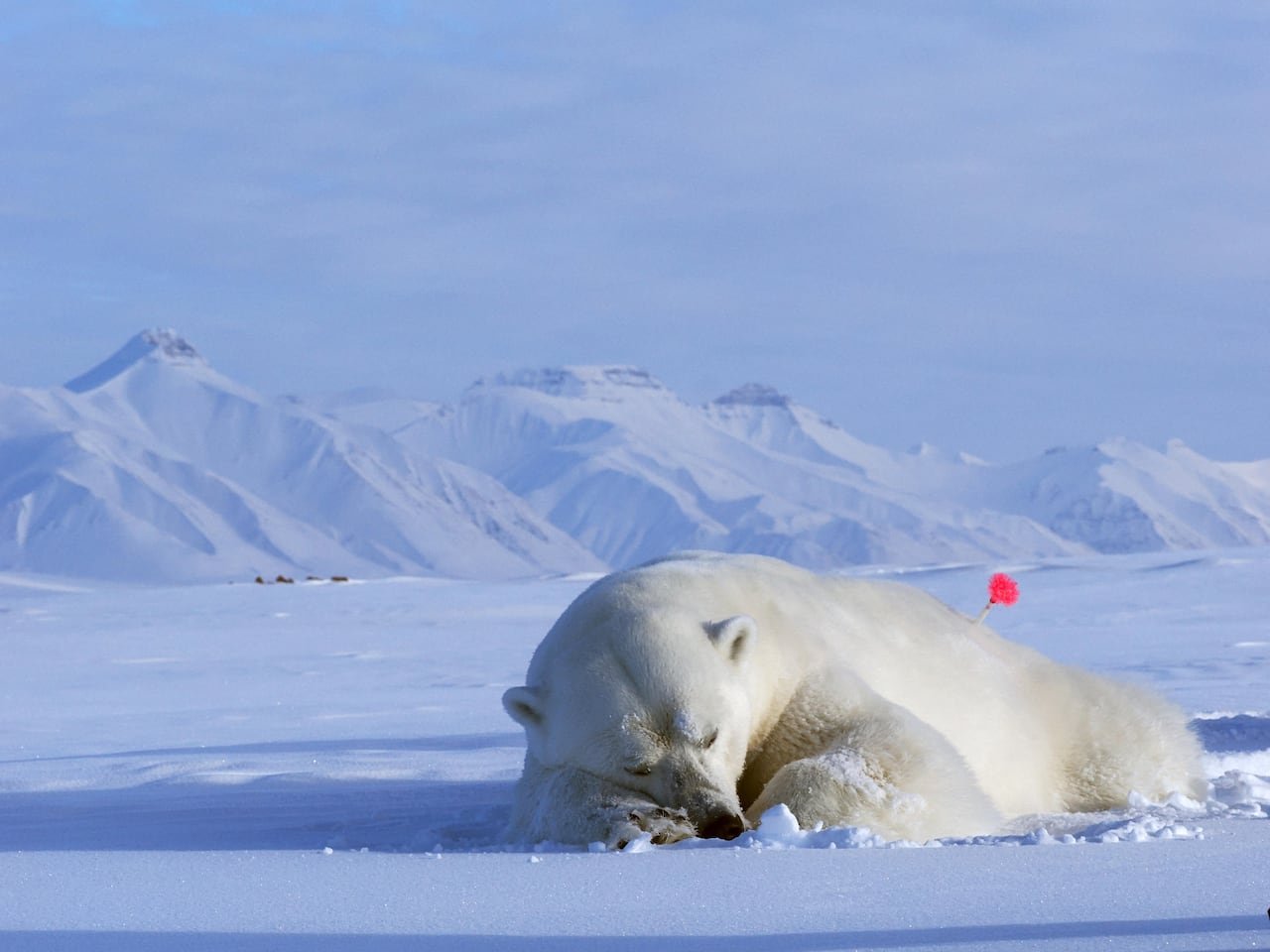
The study utilized data from live captures of polar bears between 1995 and 2019 in the Svalbard archipelago, located midway between Norway and the North Pole, in the Arctic Ocean and the Barents Sea. This subpopulation, one of the 20 recognized polar bear subpopulations, includes bears that remain on land during ice-free periods and those that venture as far as Russia’s Franz Josef Land.
A total of 770 bears were involved in capture-mark-and-recapture expeditions, which entailed tracking and sedating these bears using helicopters.
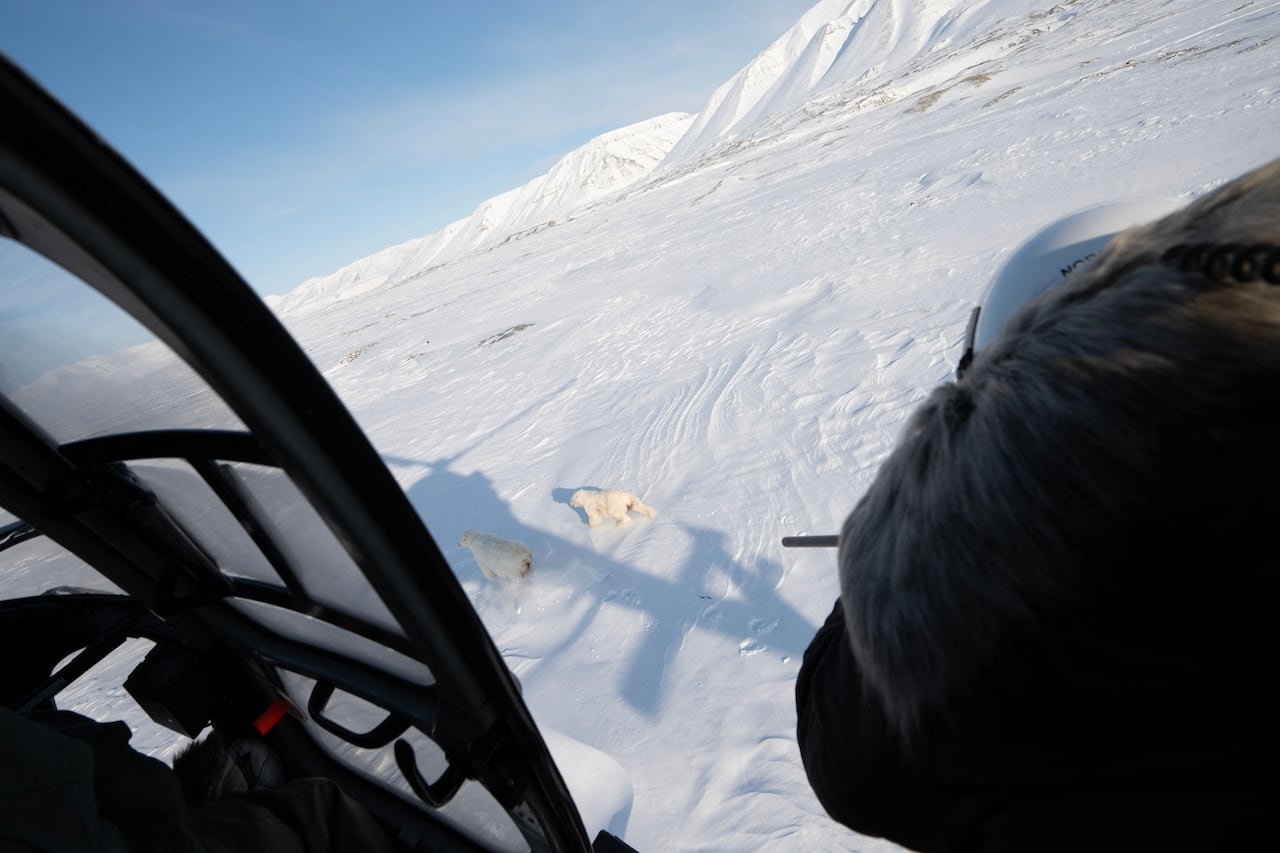
Lead author Jon Aars, a senior scientist at the Norwegian Polar Institute, described the process of darting the bears from helicopters to measure aspects like height and girth, providing insights into their body condition, which serves as an indicator of their health status and potential population declines.
As data was gathered over the years, the impact of a warming Arctic became evident. After 2005, polar bears in the Svalbard region faced earlier sea ice breakup and around a hundred more days, on average, of ice-free conditions, yet they managed to stabilize and even improve their body conditions after an initial decline.
<p
