
Alberta’s privacy commissioner has raised concerns about the government’s decision to include citizenship information on driver’s licenses. Premier Danielle Smith announced the plan to add citizenship markers during a news conference, stating that this change aims to facilitate Albertans’ access to various services like student aid and health benefits. Smith emphasized that the move is also intended to safeguard democracy by enhancing election integrity and security.
The implementation of this change is scheduled to begin in late 2026. While other provinces like Ontario, Quebec, Manitoba, and British Columbia previously offered optional enhanced driver’s licenses with citizenship details for expedited U.S. travel, Alberta is set to become the first province to make these markers mandatory.
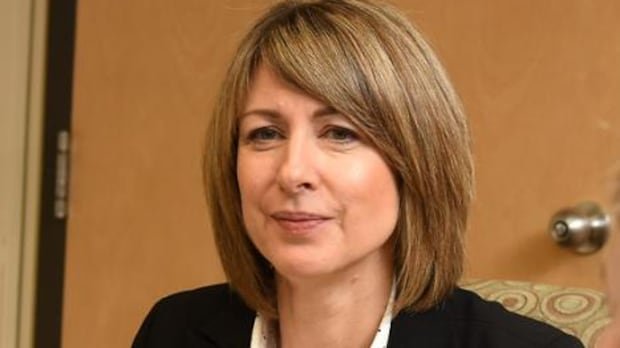
Privacy Commissioner Diane McLeod expressed concerns about the lack of consultation regarding this initiative, highlighting the potential privacy risks associated with including citizenship information on driver’s licenses. McLeod emphasized the need for the government to justify the benefits of this change outweighing the privacy concerns, especially considering the sensitive nature of citizenship data.
McLeod also pointed out the absence of a privacy impact assessment, which is essential for identifying and addressing privacy and security risks when processing personal information. Premier Smith defended the decision, stating that prioritizing Canadian citizens in accessing social services is crucial and aligns with the province’s commitment to accountability and program entitlement verification as advised by the auditor general.
Despite potential disagreements with the privacy office, McLeod acknowledged the government’s authority to proceed with its plan, emphasizing the importance of upholding Albertans’ privacy rights. Political science professor Brendan Boyd raised questions about the motives behind the citizenship marker inclusion, suggesting that concerns about voter fraud may not justify the decision and hinting at broader influences possibly stemming from U.S. election-related controversies.

