
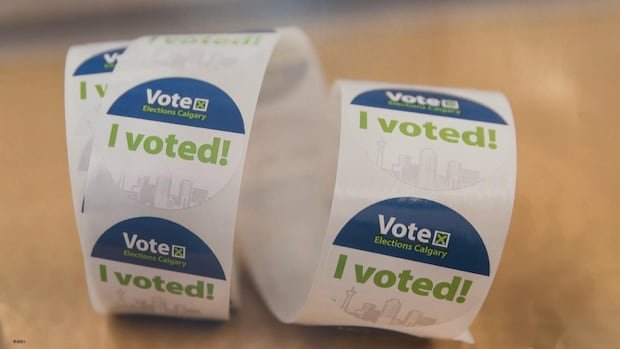
In local Calgary elections, voter engagement tends to be lower compared to federal or provincial contests. However, there have been instances of particularly low turnout in the city’s recent history. For example, in 2004, only 19.8% of eligible voters participated when incumbent mayor Dave Bronconnier faced a field with minimal competition. Similarly, turnout was a mere 23.4% when Al Duerr won re-election in 1995 with a significant margin over other candidates.
Concerns about decreasing voter turnout persist in the current mayoral race as Mayor Jyoti Gondek seeks a second term. Unlike past elections, recent polls indicate a tight competition for Calgary’s first female mayor. Gondek is facing experienced opponents, making her re-election bid more challenging and raising the possibility of her being the first city leader to lose since 1980.
Various factors may be contributing to the lack of voter engagement in the 2025 election. Questions arise about the candidates, the evolving party system, and the public’s divided focus, leading many Calgarians to feel undecided or disengaged.
Notably, early voting numbers from Elections Calgary suggest a significant decline in voter turnout compared to previous elections. While advance voting had been on the rise in recent years due to its convenience, this trend has reversed in the current election cycle, with a notable decrease in early ballots cast despite population growth.
Recent polling data by Janet Brown Opinion Research shows a close race among mayoral front-runners, including Jeromy Farkas, Jyoti Gondek, and Sonya Sharp. The high number of undecided voters adds an element of unpredictability to the election, potentially making it a captivating and closely contested race.
The introduction of a new party system in Calgary has caused confusion among voters, with parties and candidates failing to present clear positions. This lack of clarity may be deterring voters from engaging in the civic election process.
Challenges with voter information dissemination, exacerbated by external events like the Alberta teachers’ strike and Canada Post disruptions, have further complicated the election landscape. Digital outreach efforts by campaigners are also facing obstacles due to the fragmented nature of social media platforms.
With distractions ranging from national and international news to personal concerns, the mayoral candidates are competing for attention amid a crowded information environment. As the election date approaches, the level of public discourse and awareness regarding the candidates and key issues remains uncertain.

