
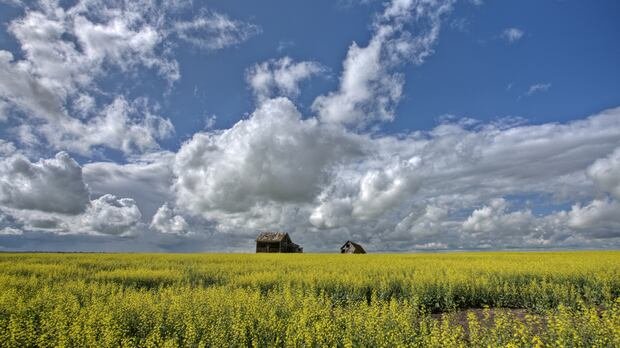
Saskatchewan’s canola has traditionally been shipped mainly to China and the United States, with over 83% of the province’s total canola exports heading to these destinations last year, as per Canola Council of Canada data. However, due to high tariffs imposed by China and trade uncertainties with the U.S., the provincial government is now seeking to broaden the export markets for canola.
Warren Kaeding, Saskatchewan’s minister of trade and export development, expressed urgency in taking actions to support canola growers amid the current challenges. Data from Statistics Canada indicates a significant decline in Saskatchewan’s exports to China following the imposition of steep tariffs on Canadian canola seed and products.
Kaeding remains optimistic about forthcoming support for the sector, emphasizing the federal government’s acknowledgment of the canola industry’s importance. As Saskatchewan’s canola producers complete the harvest season, Tracy Broughton, the executive director of Sask Oilseeds, noted mixed feelings among farmers, appreciating the quality of the crop while facing uncertainties about selling at desired prices.
Looking ahead, diversifying trade partnerships is seen as a crucial step in reducing reliance on specific markets. Industry experts like Murad Al-Katib, CEO of AGT Foods, advocate for exploring emerging markets and expanding trade horizons. Al-Katib highlighted the necessity for Canada to adapt to changing trade dynamics and embrace new opportunities.
Kaeding’s recent trade mission to Southeast Asia aimed at establishing relationships and exploring market potential in the region. Southeast Asia, particularly the Association of Southeast Asian Nations (ASEAN) region, holds promise for diversifying canola trade. The province is eyeing opportunities to market canola meal to the ASEAN dairy sector, previously a significant market for Saskatchewan’s canola meal.
In conclusion, the need to navigate evolving trade landscapes and seek alternative markets remains pivotal for Saskatchewan’s canola industry’s sustainability and growth.

