
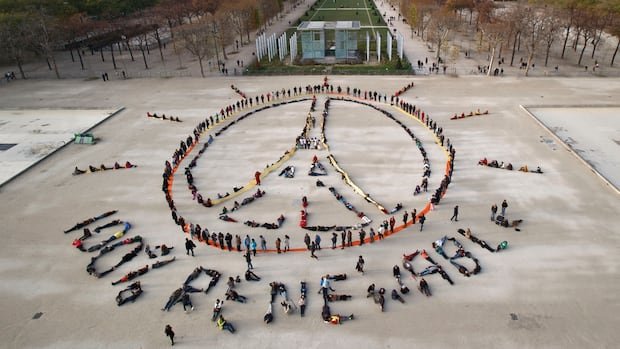
In 2015, the Paris Agreement was adopted by almost 200 nations as the inaugural global effort to combat climate change. The agreement aimed to limit global warming to “well below” 2 degrees Celsius compared to pre-industrial levels, with a further aspiration to cap it at 1.5 degrees Celsius.
Fast forward a decade, and these same countries are set to convene in Belem, Brazil, from November 10 to 21 for the annual United Nations climate summit, COP30. Throughout the past ten years, greenhouse gas levels responsible for climate change and global temperatures have continued to escalate to unprecedented levels.
So, what has transpired in the realm of climate change since the signing of the Paris Agreement?
A comparison of the world then and now reveals significant shifts in the climate, advancements in clean technologies, alterations in countries’ policies and laws, and changes in global investment patterns.
In December 2015, when the Paris Agreement was inked, the average global temperature was 0.97 degrees Celsius higher than in pre-industrial times over a five-year span. By December 2024, this figure had escalated to 1.35 degrees Celsius, signifying a warming of over 0.3 degrees Celsius within the past decade.
According to the 2025 UN Emissions Gap Report, the world is currently projected to experience a 2.3-degree Celsius warming by 2100 if nations effectively implement their climate commitments.
The repercussions of such warming are substantial, with potentially deadly hot days doubling globally per year. This is emphasized in a recent report from World Weather Attribution and Climate Central.
At the time of the Paris Agreement’s inception, the world was on a trajectory for a 4-degree Celsius warming by 2100. This would have led to a tripling in the number of hot days experienced today.
However, significant progress has been made since then, with the trajectory veering away from the 4-degree baseline, largely attributed to the Paris Agreement. Yet, there remains a substantial gap between the current status and the goals outlined in the agreement.
From the proliferation of electric vehicles to the surge in renewable energy generation, innovations in everyday technologies have been remarkable since 2015. The transition to clean energy sources has seen substantial growth, with renewables surpassing coal as a primary source of electricity globally for the first time in 2025.
Moreover, shifts in laws and regulations have been notable, with national policies worldwide aligning to accelerate the adoption of low-carbon technologies and solutions. The Paris Agreement has catalyzed various initiatives, including carbon pricing, zero-emission vehicles, and net-zero goals in countries like Canada and Europe.
The financial landscape has also witnessed a significant transformation, with investments in green energy surpassing $2 trillion USD in 2024, outpacing fossil fuel investments. The Paris Agreement has also spurred efforts to mobilize climate finance, aiming to assist developing nations in both combating and adapting to climate change.
Overall, while progress has been made, experts stress the need for intensified efforts to meet the ambitious targets set by the Paris Agreement. Adaptations in global trade rules and mandatory climate actions are proposed as avenues to enhance climate action and drive substantial change in various economic sectors. The focus remains on collective action and innovation to address the pressing challenges posed by climate change.

