
Steelmaker Algoma is expediting its shift to electric steelmaking due to the impact of U.S. steel tariffs. Prime Minister Mark Carney engaged with U.S. President Donald Trump seeking relief from the 50 percent U.S. tariff that has burdened Canadian steelmakers since June. Additionally, global steel prices have been under pressure due to oversupply, largely attributed to China.
Algoma recently disclosed securing $500 million in government loans to counter the adverse effects of the tariffs, which have rendered its blast furnace and coke oven operations unsustainable. As a result, the company plans to discontinue these operations and hasten its transition to electric steelmaking.
Amidst economic challenges, other Canadian steel producers are also facing pressure to decarbonize. The steel industry’s significant environmental impact stems from generating approximately seven to nine percent of global greenhouse gas emissions. In Canada, steel production accounted for about 13.1 megatonnes of CO2 in 2023, equivalent to the emissions of three million gas-powered cars or two percent of the country’s total emissions.
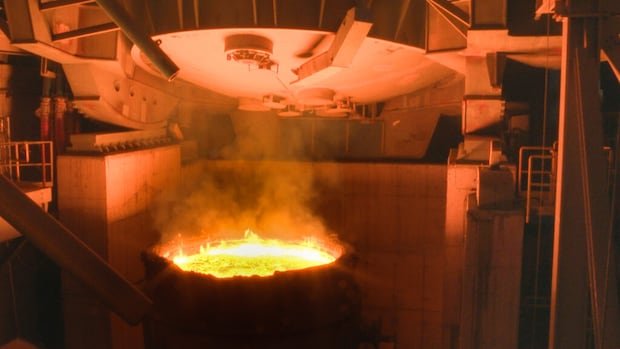
To reduce emissions, Algoma is adopting electric arc furnaces for secondary steelmaking, eliminating CO2-generating processes associated with traditional methods. This shift is expected to decrease carbon emissions by up to 70 percent while boosting production efficiency. Algoma’s CEO, Michael Garcia, highlighted the sustainability benefits and increased productivity of this approach.
On the other hand, ArcelorMittal Dofasco in Hamilton is exploring the utilization of hydrogen to reduce carbon footprint in primary steelmaking. This method involves replacing coal with hydrogen in the steel production process, aiming to significantly cut emissions. However, challenges such as sourcing affordable green hydrogen remain, suggesting a gradual transition.
Government initiatives, including industrial carbon pricing and financial support, have incentivized green steel projects in Canada. The federal government’s updated green procurement standards prioritize low-emission steel in construction projects, signaling a shift towards sustainable steel production. These policies align with the industry’s long-term goal of achieving greener practices and competitiveness.

