
When Finance Minister François-Philippe Champagne testified before the House of Commons finance committee recently, Conservative MP Pat Kelly posed a seemingly simple yet intricate question about the balanced budget timeline. Despite attempts to extract a clear response, Champagne’s answers fell short, leading to a spiraling debate on the elusive nature of a direct answer.
Considering the federal government’s fiscal trajectory is a legitimate concern, as highlighted by Kelly’s inquiry, which remained unanswered by the Conservative Party’s recent election platform. The platform proposed continued deficits until at least 2028 under a government led by Pierre Poilievre.
During the exchange, Kelly referenced a projection from the CD Howe Institute earlier this year, suggesting a potential $90 billion budget deficit due to an anticipated surge in defence spending. In response, Champagne challenged Kelly, questioning the implication of neglecting NATO commitments to safeguard Canadian sovereignty, to which Kelly redirected the focus back to unanswered queries.
The ongoing debate surrounding the federal deficit and the overall prudence of fiscal policies reflects a superficial deliberation, lacking substantive proposals for balancing the budget while elevating defence spending significantly.
Recently, the Parliamentary Budget Officer’s cautionary declaration regarding the federal financial sustainability, characterized by alarming terms, has injected urgency into the budget discourse. This warning, despite its gravity, has not deterred longstanding fiscal critics, even as past reports indicated sustainable federal finances.
The revised projection now anticipates a potential rise in the federal government’s debt-to-GDP ratio over the medium term, attributed to persistent deficits and sluggish economic growth. Former PBO Kevin Page contested the current PBO’s stark assessment, suggesting premature conclusions on fiscal sustainability.
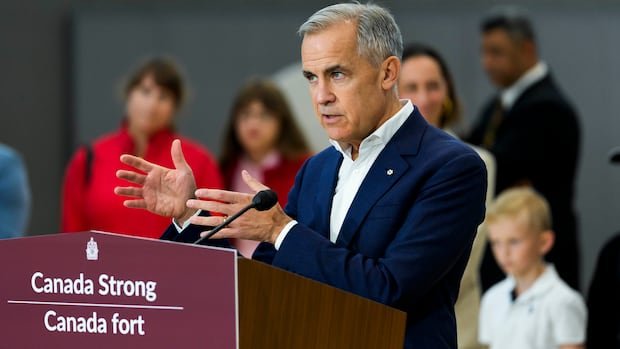
Despite criticisms, the federal government boasts strong fiscal indicators compared to G7 peers, like top credit ratings and low debt metrics. However, Prime Minister Carney acknowledges the need for fiscal discipline, signaling intentions to curb spending in alignment with forthcoming budget adjustments.
As Canada braces for the upcoming budget release, expectations loom for significant spending cuts or reallocations, potentially marking a pivotal shift in fiscal policy. The impending budget could unveil a program review hinting at the most substantial spending adjustments in decades, challenging the status quo and prompting tough decisions ahead.
The spotlight on fiscal policy choices intensifies, as the government contemplates necessary measures amid economic challenges. The impending budget may herald a new era of clarity and transparency in addressing fiscal imbalances and strategic investments, sparking a long-overdue substantive debate on Canada’s financial trajectory.

