
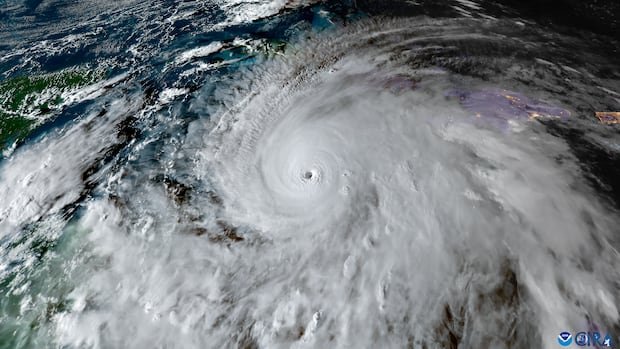
As of the present moment, the Atlantic hurricane season has seen only six named storms, with most of them being short-lived. This raises questions about the lack of hurricane activity this year. Phil Klotzbach, a senior research scientist at Colorado State University, attributed this phenomenon mainly to the strong El Niño event currently occurring.
El Niño, a component of the El Niño-Southern Oscillation (ENSO) cycle, involves temperature changes in the central Pacific Ocean and atmospheric wind patterns. The current El Niño event is exceptionally robust, significantly suppressing Atlantic hurricane activity.
Forecasters are closely monitoring this El Niño event, with multiple models indicating the potential for a historically significant occurrence. Lindsey Long, a meteorologist at the U.S. National Oceanic and Atmospheric Administration (NOAA), highlighted the likelihood of record-breaking anomalies compared to past El Niño events.
The impact of El Niño in the Pacific Ocean contrasts with its effect on the Atlantic, where hurricane activity has been notably subdued. Vertical wind shear created by higher sea surface temperatures in the eastern Pacific disrupts the formation of hurricanes in the Atlantic, leading to an unusually quiet hurricane season.
While there is a slim chance of additional hurricane formation in the Atlantic, the Gulf of Mexico remains a possible location due to reduced wind shear compared to the Caribbean. In contrast, the Pacific Ocean has experienced heightened hurricane activity, with 16 named storms recorded thus far.
Although El Niño has suppressed Atlantic hurricanes, some short-lived tropical storms have affected communities along the Gulf of Mexico. The El Niño event is expected to peak in the coming months and persist into the following year, potentially influencing future hurricane seasons.
Looking ahead, the aftermath of this El Niño event remains uncertain, as post-El Niño years often experience warmer Atlantic conditions. The impact on next year’s hurricane season is yet to be determined, emphasizing the dynamic and unpredictable nature of these weather patterns.

