
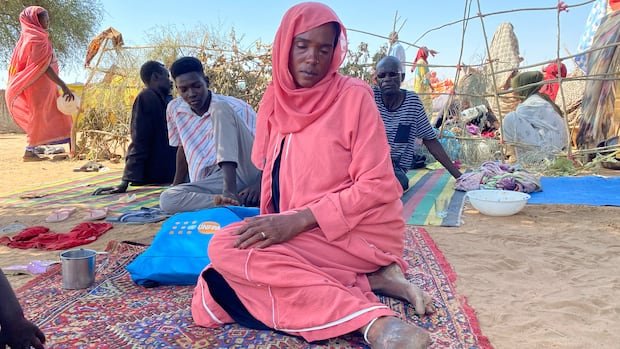
Massacres persist in El Fasher, Sudan, following the capture by rebel forces, culminating in an 18-month siege and escalating concerns over a severe humanitarian crisis. The recent atrocities unfolded after the Rapid Support Forces (RSF) seized control of the army’s base in the city, establishing dominance over Darfur’s vast western region.
Satellite images suggest the presence of bodies strewn across the streets, with reports indicating hundreds of casualties. However, due to disrupted communication channels and limited information from refugees, the full extent of the situation remains challenging to ascertain. Concerns mount not only for those trapped within El Fasher but also for those who managed to escape, with reports of extortion, violence, and sexual assault targeting vulnerable groups such as women, children, and the elderly during their perilous exodus.
In a plea to the Security Council, UN under-secretary-general Tom Fletcher emphasized the urgent need for intervention to alleviate the dire human suffering in El Fasher and Darfur. The ongoing civil war in Sudan, spanning over two years, characterized by widespread atrocities including sexual violence, famine, and displacement of millions, has been labeled as the most significant humanitarian crisis globally.
The crisis in Sudan underscores a critical failure in protection and the imperative to uphold international law, as highlighted by Fletcher. Warning signals from aid organizations and activists had previously forewarned about the potential for ethnic violence as the RSF gained supremacy, drawing parallels to the Janjaweed militia’s genocidal actions in Darfur in the early 2000s.
The unfolding events in El Fasher echo the past horrors experienced by Darfur, eliciting a plea for global attention and action. Nadia Taha, a concerned individual, shared her distressing account of losing contact with her family members in El Fasher, further underscoring the personal toll of the ongoing crisis.
Despite denials from the RSF regarding civilian harm, new allegations surfaced, including reports from the World Health Organization indicating a high death toll at El Fasher’s Saudi Hospital. General Mohammed Hamdan Dagalo acknowledged the presence of abuses within the RSF ranks and vowed to hold perpetrators accountable through investigations.
The UAE’s reported support for the RSF has raised concerns of external influence exacerbating the conflict, with allegations of weapon supplies through neighboring countries. While the UAE pledged humanitarian aid, accusations of aggression in Sudan and calls for accountability reverberated during the UN Security Council session.
Escaping refugees face arduous journeys, with some embarking on an 800-kilometer trek to Khartoum, while others seek refuge in towns like Tawila. The slow pace of arrivals at safe havens underscores the challenges and dangers faced by displaced individuals. The harrowing conditions in El Fasher have prompted international scrutiny, with reports of systematic killings and ethnic cleansing intensifying the urgency for intervention and accountability measures.

