
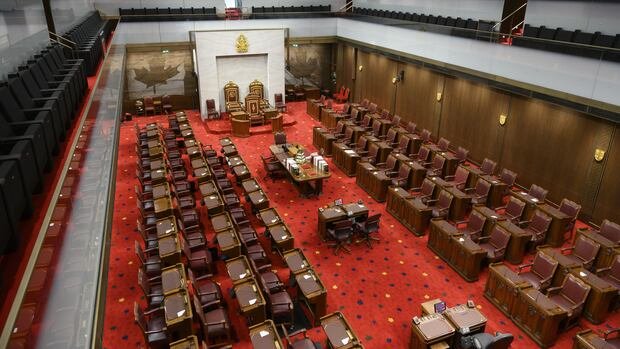
As Bill S-2 progresses through the Senate, discussions are ongoing regarding the effectiveness of the legislation in addressing the remaining discrimination in registration under the Indian Act. The primary focus of the bill is to eliminate existing sex-based discriminations in the registration process, particularly those associated with enfranchisement, which involves the involuntary loss of status to attain full citizenship.
Additionally, the bill introduces provisions to re-establish connections for women who were compelled to join their husband’s band post-marriage with their original communities or “natal band.” It also outlines a procedure for individuals to voluntarily remove themselves from the registry and eliminates outdated and offensive language in the Indian Act. Senators are deliberating whether to move forward with the bill in its current form or consider additional amendments, such as abolishing the “second-generation cut-off,” which terminates status after two generations of a non-status parent.
During a recent session, the Senate committee on Indigenous peoples heard from Madeleine Redfern, the interim CEO of the Native Women’s Association of Canada (NWAC). Redfern expressed NWAC’s support for Bill S-2 but highlighted its failure to address registration issues like the second-generation cut-off and the communities’ right to manage their own membership.
Redfern, an Inuk from Iqaluit, cited the Nunavut Agreement as an example of self-determination in determining identity and community affiliation. She emphasized the importance of recognizing the rights of nations to govern their identities through internal enrollment programs.
Senator Mary Jane McCallum estimated that the current bill could potentially restore status to around 6,000 individuals. However, if amended to eliminate the second-generation cut-off, up to 225,000 people could become eligible for status. Pam Palmater, the chair in Indigenous Governance at Toronto Metropolitan University, urged the government to take immediate action, emphasizing the necessity of removing the second-generation cut-off to create a more inclusive framework.
Assembly of First Nations National Chief Cindy Woodhouse Nepinak also presented her views to the standing committee, expressing support for the bill’s objectives but stressing that it represents only a small step towards eradicating registration discrimination. Nepinak highlighted the history of incremental amendments to the Indian Act’s registration provisions since 1985, emphasizing the need for direct consultation with rights holders and adequate resources to accommodate new registrants.
The ongoing discussions and debates on this issue are set to continue with another committee meeting scheduled for Wednesday evening.

