
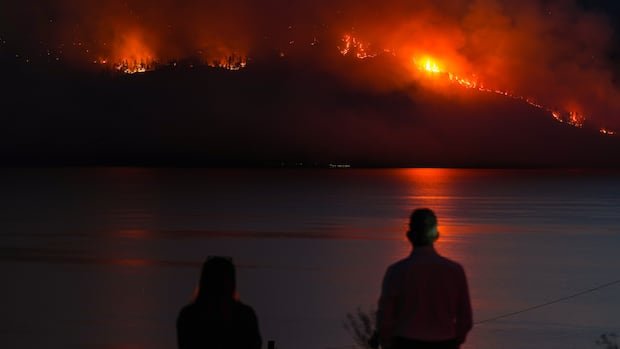
A significant Pacific Ocean warming event known as “super” El Niño or “Godzilla” El Niño has resurfaced, impacting global weather patterns amid already elevated temperatures across many regions. North America and Europe experienced record-breaking heat in July, leading to numerous heat-related casualties, dried waterways, and extensive wildfires, including in Canada where over 4.1 million hectares of forest have burned.
Although the coinciding of this scorching summer with the return of El Niño may not directly cause extreme weather events, climate scientists suggest that the phenomenon could intensify extreme conditions exacerbated by human-induced climate change. According to experts like Josh Willis from NASA’s Jet Propulsion Laboratory, the broad impacts of this El Niño are expected to be significant across vast areas.
El Niños occur naturally every few years, heating up the Pacific waters and altering atmospheric conditions, resulting in weather anomalies worldwide. While this El Niño began forming in spring and might not fully impact northern regions until late fall or winter, its unprecedented nature raises concerns about its contribution to ongoing extreme weather events globally.
Forecasts indicate that Canada and the northern U.S. may experience a warmer winter due to El Niño, with potential disruptions to precipitation patterns in regions like British Columbia. The southern U.S. is likely to face wetter conditions. The impact of El Niño is already noticeable in regions like Peru and Ecuador, affecting fisheries and triggering heavy rainfall and drought.
Moreover, El Niño is influencing the hurricane season, with fewer storms in the Atlantic but heightened storm activity in the Eastern Pacific. These events, combined with the underlying climate change effects, create a complex scenario with long-term implications. Scientists anticipate dealing with the repercussions of this El Niño well into the following year as the heat stored in the ocean continues to affect global weather patterns.
The convergence of El Niño with a warming climate poses challenges, with long-lasting effects expected to persist for several months. The ongoing research and monitoring of this phenomenon are crucial for understanding and preparing for the evolving climate dynamics.

