
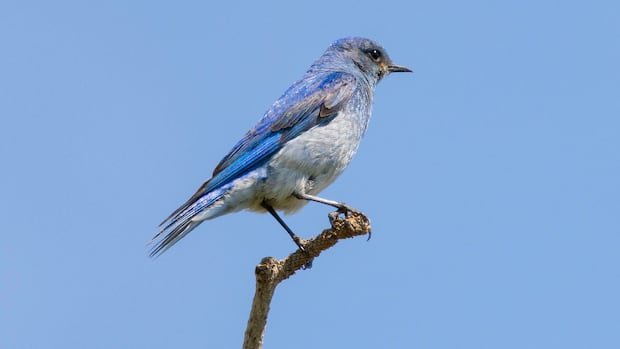
Mountain bluebirds are not limited to mountains but can also be spotted across the Canadian Prairies. Recognizable by their vibrant blue feathers, these birds are familiar to many residents of Alberta. However, the decline in mountain bluebird numbers over the years has raised concerns among conservationists.
Recent data from The State of Canada’s Birds, a collaborative effort by Birds Canada and Environment and Climate Change Canada, reveals a worrying trend. Since 1970, mountain bluebird populations in Canada have plummeted by 60 percent. Currently, there are approximately 650,000 mountain bluebirds in Canada, constituting only 12 percent of the species’ total numbers in North America and marking the lowest population count on record.
Research, based on citizen contributions and professional studies, indicates a rapid increase in mountain bluebird populations in the Canadian Prairies from the early 1980s to the mid-1990s. However, since then, numbers have significantly declined. The exact causes for this decline remain unclear but could be linked to factors such as climate change, habitat destruction, and a decrease in insect populations – the primary food source of mountain bluebirds, impacted by pesticide and herbicide use.
To address these challenges, the Badlands Trail Society in Alberta has taken proactive steps toward mountain bluebird conservation. Operating 48 bluebird nest boxes in the Drumheller Valley and its surroundings, the society aims to support these birds in the face of diminishing natural habitats. The nest boxes, established with the guidance of bluebird conservationist Claude Rioux, provide essential assistance to the mountain bluebirds in raising their young.
Cheryl Taylor, a co-founder of the Badlands Trail Society, emphasized the importance of these nest boxes in aiding the local bluebird population. The project, located on Nature Conservancy of Canada property, offers an ideal prairie setting with abundant food resources and minimal human interference, creating a sanctuary for the bluebirds.
In addition to providing practical support, the group also focuses on raising awareness about the plight of mountain bluebirds. By engaging the community and fostering a deeper understanding of bird conservation, they hope to inspire greater efforts in preserving natural habitats and biodiversity.
The initiative in Alberta is part of a broader network of bluebird nest box projects throughout Western Canada. Jody Allair of Birds Canada highlighted the significance of public interest in bluebird conservation, emphasizing the vital role of community engagement in safeguarding wildlife.
While mountain bluebirds may not be facing as severe a decline as some other bird species, they serve as an important symbol for Canadian bird conservation efforts. Allair emphasized the beauty and allure of these birds as a means to draw attention to broader conservation issues affecting wildlife across the country.
Encouraging public participation in conservation activities, such as keeping cats indoors, preventing window collisions, and avoiding the use of harmful chemicals, can collectively contribute to protecting bird populations and their ecosystems.

