
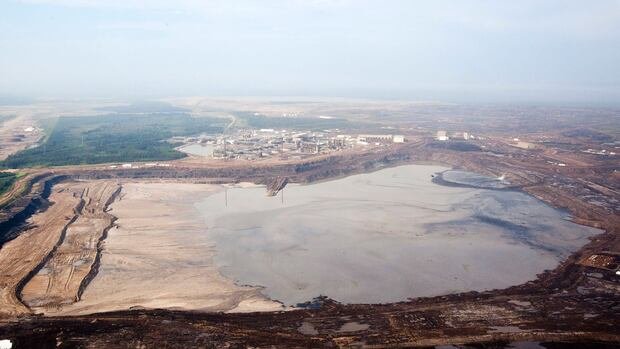
The Fort Chipewyan Métis Nation has voiced opposition to a committee’s suggestions for managing water tailings from Alberta’s oilsands, citing concerns about bias, lack of scientific integrity, and insufficient Indigenous involvement. One of the nine recommendations made by Alberta’s oilsands committee is to establish standards promptly for the release of treated oilsands mine water by Canada and Alberta.
President Kendrick Cardinal of the Fort Chipewyan Métis emphasized the necessity to await completion of independent Indigenous-led studies, including a $12-million examination of health impacts on the community downstream from the oilsands. He emphasized the need for immediate protective measures while research is ongoing and emphasized the importance of government commitment to act on the study findings.
Established in May 2024, Alberta’s Oil Sands Mine Water Steering Committee aims to evaluate options for safe management of water in oilsands tailings ponds, accelerate plans for addressing oilsands mine water and tailings ponds, and safeguard the health of downstream communities and the environment. The committee’s recommendations report highlights the need for operators to adopt alternative technologies to treat mine water due to increasing challenges with treating highly salinated recycled water.
Concerns over potential risks of structure failure and accidental releases of untreated mine water threatening wildlife, aquatic ecosystems, and downstream communities have prompted calls for caution. A recent article in the Canadian Medical Association Journal has urged a ban on potential releases until a comprehensive study on downstream health impacts is concluded.
President Cardinal has called for exploration of alternatives, such as reusing tailings water for oilsands operations if it meets production standards. He emphasized that the quality of water for reuse should match the cleanliness standards for rivers. Collaboration with the federal Crown-Indigenous Relations working group is sought to ensure a science and rights-based process.
Cardinal stressed the necessity for transparency and community consultation to address ongoing distrust within Fort Chipewyan residents towards Alberta’s processes, citing delayed reporting of incidents like tailings ponds leaks. While the Alberta Government asserts its robust oilsands monitoring program, concerns linger regarding the impact of oilsands development on physical and mental health in Fort Chipewyan.
Calls for halting progress on Alberta’s working group recommendations until adequate consultation with affected Nations is achieved have been made. The Alberta Government declined further comment when approached for clarification on criticisms of its oilsands committee recommendations.

