
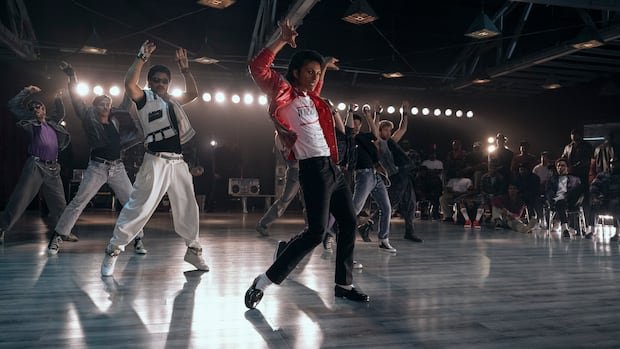
A new biopic on Michael Jackson raises questions about the portrayal of the pop icon’s life. The movie, titled “Michael,” delves into his rise to fame but avoids delving deep into his personal struggles and controversies. Legal issues forced the film to sidestep sensitive topics, resulting in a sanitized version of Jackson’s life story.
The original cut of the film included allegations of sexual abuse, but a settlement with the Jackson family prevented their depiction in the movie. As a result, the focus shifted to Jackson’s early career success, glossing over his later controversies. Notably, characters like Janet Jackson and Diana Ross were omitted due to legal concerns.
Critics argue that “Michael” fails to provide a nuanced portrayal of Jackson, instead opting for a surface-level celebration of his achievements. The film’s narrative paints Jackson as a virtuous figure, downplaying any potential flaws or controversies. The absence of critical examination has sparked debates about the responsibilities of filmmakers in portraying complex public figures.
While the biopic touches on some significant events in Jackson’s life, it skims over others or presents them in a heavily dramatized manner. The movie’s focus on portraying Jackson as a benevolent genius has drawn criticism for its lack of depth and introspection. The film’s treatment of Jackson’s relationships, controversies, and personal struggles has left some viewers wanting a more balanced and honest portrayal.
In an era of sanitized biopics that idealize their subjects, “Michael” adds to the trend of presenting famous figures as flawless heroes. The film’s approach to Jackson’s life raises questions about the balance between honoring a legacy and addressing uncomfortable truths. Critics argue that true art should confront difficult topics rather than offering superficial narratives that gloss over complex histories.

