
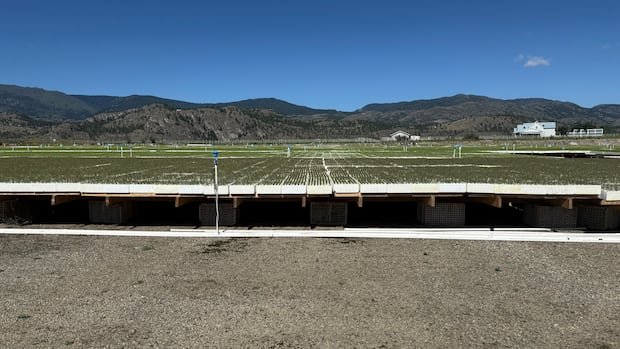
A new tree nursery owned by the Osoyoos Indian Band in the vicinity of Oliver, B.C., is set to cultivate millions of tree seedlings annually to aid in the restoration of forests damaged by wildfires. Situated on just over 10 hectares of land, the Osoyoos Forest Nursery boasts nearly 500,000 square feet of outdoor space dedicated to nurturing these seedlings. Although currently only a few centimeters in size, these seedlings will eventually play a crucial role in reforestation projects across British Columbia and Alberta.
Chief Clarence Louie expressed pride in the initiative, emphasizing the importance of replacing trees lost to wildfires that have been a significant challenge in British Columbia. In 2021, the Inkaneep Creek Wildfire scorched nearly 20,000 hectares of Osoyoos Indian Band land. The nursery, established through a partnership with K&C Silviculture Ltd., is the first of its kind for the nation and is projected to produce approximately 18 million seedlings annually once fully operational.
Louie highlighted the significance of the project, stating that while many First Nations are involved in logging activities, the Osoyoos Indian Band stands out as the only one actively engaged in tree cultivation. Water conservation measures are integrated into the nursery’s design to address the prevalent drought conditions in the south Okanagan region. Peter Flett, the head of operations for Nk’Mip Forestry, noted that the design includes features like a recirculation pond to minimize water wastage during irrigation.
Jill Harvey, a researcher from Thompson Rivers University, commended the reforestation efforts, emphasizing that it not only benefits trees but also supports habitat creation, soil stability, and enhances forest resilience to climate change. Selecting tree species that can thrive in the region’s hot and dry climate, such as lodgepole pine, ponderosa pine, and western larch, is crucial for successful reforestation.
Harvey emphasized the need for strategic planning during reforestation activities, stressing the importance of balancing the restoration efforts with considerations for fuel accumulation and identifying areas that may not require full reforestation, especially near communities impacted by wildfires. She emphasized the necessity of long-term forest management strategies to ensure resilience against climate change and future wildfires.
The Osoyoos Forest Nursery secured funding from the federal government’s 2 Billion Trees program, which aims to combat climate change and biodiversity loss by planting new trees. Despite the government’s decision to reduce the tree planting target to one billion by 2031, the nursery’s establishment marks a significant step towards landscape recovery and sustainable forest stewardship.

