
A recent study focusing on the water quality of False Creek in Vancouver aims to provide insights on how to improve the inlet’s suitability for swimming following years of contamination. The collaborative research involves the Metro Vancouver Regional District, the City of Vancouver, False Creek Friends Society, and Raincoast Conservation Foundation, with the aim of guiding future pollution reduction initiatives.
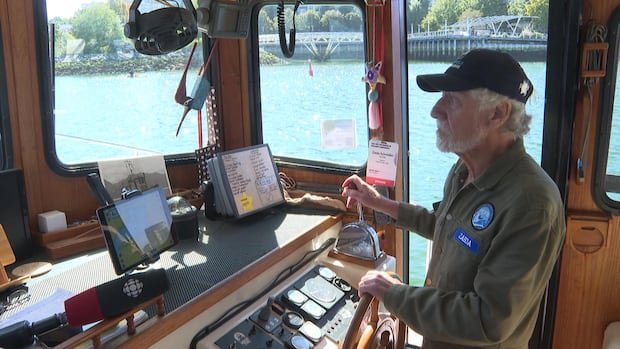
Sewage waste from the city’s combined sewer system contributes to the degradation of water quality in False Creek, especially during heavy rainfall. Zaida Schneider, president of False Creek Friends, highlighted the project’s readiness with four teams set to gather data when heavy rain is forecasted. These teams will investigate reservoirs supplying the region’s drinking water, test water in city manholes, collect tap water samples from citizens, and conduct water tests in the inlet aboard a work boat.
Schneider emphasized the significance of involving both residents and researchers in this unique collaboration, stating that community engagement is crucial for fostering a sense of ownership in preserving the health of False Creek. The long-term goal is to restore the creek to a condition where people can safely swim in its waters.
Historically, False Creek served as a vital resource for local First Nations, but urban development and industrial activities led to its decline. Peter Ross, a senior scientist at Raincoast Conservation Foundation, highlighted the importance of understanding human impacts on the area and the need to protect the waters for future generations. The study will analyze 600 different pollutants to identify sources of contamination and develop strategies for restoring the creek’s health.
Ross acknowledged the challenges ahead but expressed optimism in collaborating with various stakeholders to address the pollution issues in False Creek. The study, funded by Metro Vancouver, is set to span two years, with a focus on working closely with community groups, local governments, and First Nations to achieve a cleaner and safer water environment.

