
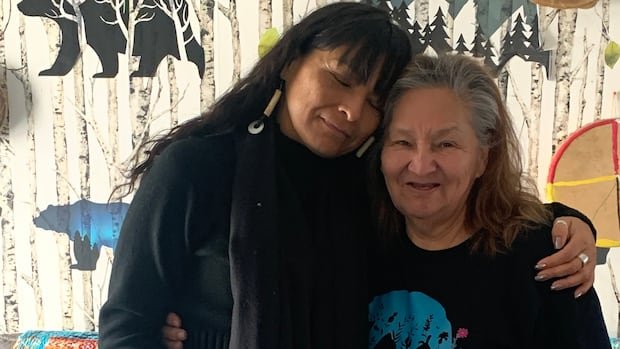
Leticia Racine is still grappling with a custody battle that took place 40 years ago and reached the Supreme Court of Canada, profoundly impacting her life and that of other Indigenous children. The legal dispute severed her ties with her biological family, culture, and even her own heritage for many years. Leticia, who was unaware of her Ojibway and Dakota roots while growing up, shared her story on the CBC News podcast “See You in Court,” which delves into her experiences in a three-part series along with other significant legal cases in Canada.
Born in 1976, Leticia’s journey into foster care commenced shortly after her birth. Her mother, Linda Daniels, a member of Long Plain First Nation in Manitoba, faced challenges with alcohol abuse and domestic violence, leading to the decision to place Leticia in child and family services. Eventually, Leticia found her way to her foster parents, Sandra and Allan Racine, who played a crucial role in her life, especially during a period of serious illness.
Legal disputes ensued between Daniels and the Racines, lasting three years, as Daniels sought to regain custody of Leticia. Despite her efforts through various avenues, including involving child welfare services and legal aid, Daniels faced hurdles in reuniting with her daughter. The involvement of Dakota Ojibwe Child and Family Services marked a turning point in the case, highlighting concerns about Leticia’s cultural upbringing and heritage.
The case escalated to the provincial court in 1982, resulting in an initial adoption ruling in favor of the Racines. Subsequent appeals and Supreme Court involvement in 1983 posed a significant dilemma, weighing the bond Leticia had formed with her foster parents against her connection to her birth mother and Indigenous culture. The Supreme Court ultimately granted custody to the Racines, emphasizing the importance of the established bond over racial considerations.
The legal battle between Racine and Woods left a lasting impact, setting a precedent that prioritized the bond with foster parents and raised questions about the removal of Indigenous children from their families and heritage. Leticia’s personal struggles with identity and cultural disconnection during her teenage years underscore the profound effects of such legal battles on Indigenous individuals. Despite receiving education and other gifts, Leticia acknowledges the void left by the absence of her cultural roots and expresses a desire to have remained within her community.
Today, as an advocate for Sixties Scoop survivors, Leticia reflects on her journey and the evolving perspectives on the court ruling, emphasizing the enduring importance of culture, ceremony, and identity for Indigenous individuals.

