

DISCLAIMER: The following account includes descriptions of events at residential schools.
Back in 1967, Melvina Aubichon, at the tender age of five, was taken by her parents to the Ãle-Ã -la-Crosse residential school in Saskatchewan, a journey that became a recurring annual ritual.
Reflecting on those times, she recalled, “September always felt like the loneliest month for me. Watching my parents depart across the lake left me feeling abandoned and isolated as a child.”
Her lengthy hair was forcibly cut, and the clothes she brought from home remained unworn, replaced by assigned attire.
Any use of the Dene language or interaction with family members in separate quarters resulted in punishment.
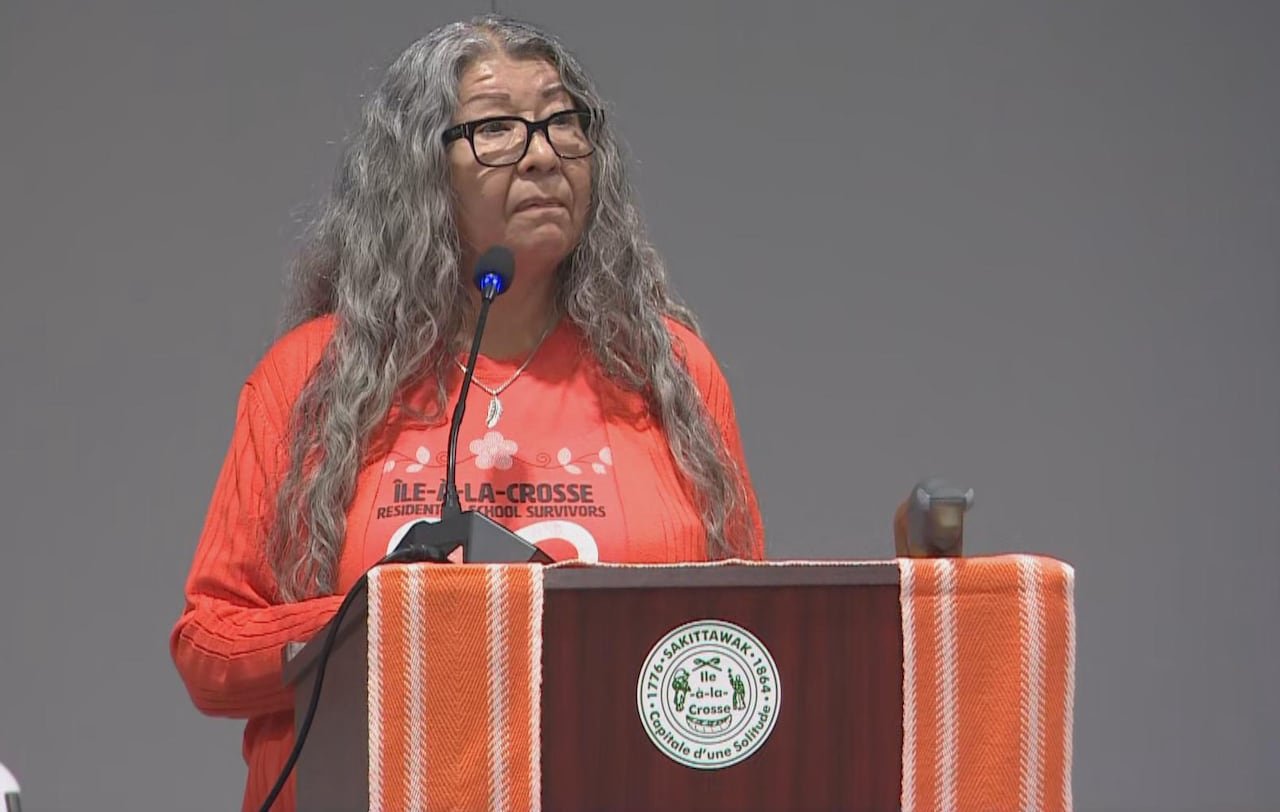
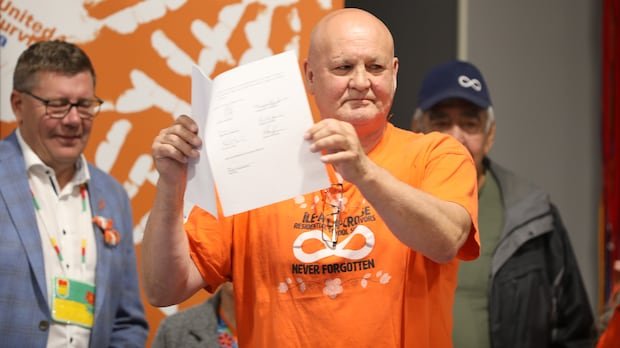
Aubichon joined forces with other survivors to initiate a proposed class action lawsuit aiming to seek acknowledgment and compensation for their time at the school, which was excluded from the 2006 Indian Residential Schools Settlement Agreement due to its preexistence before the federal residential school system.
Recently, Saskatchewan Premier Scott Moe extended apologies to all former students of the Ãle-Ã -la-Crosse school and agreed to provide $40.2 million in restitution to them and their families.
Moe made the trip to the northern village, situated approximately 460 kilometers north of Saskatoon, to endorse the preliminary agreement, which was also signed by the six designated claimants.
“Residential schools, whether day or industrial, are a dark chapter in Canada’s history, bearing detrimental intergenerational effects on Indigenous and Métis communities,” Moe acknowledged on Monday.
“In essence, these schools were an error and should never have existed. Today, we accept the responsibility of the province of Saskatchewan and preceding governments in the operation of the Ãle-Ã -la-Crosse School until the 1970s. Accordingly, on behalf of Saskatchewan, I offer my sincere apology.”
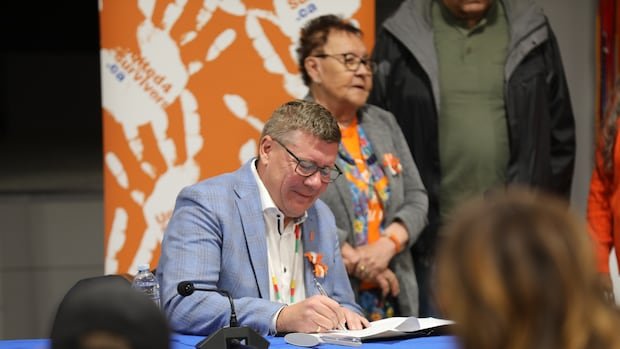
Saskatchewan Premier Scott Moe has offered apologies to all former students of the Ã
