
Canada’s beef industry is safe from the threat of Screwworms, but experts advise farmers and ranchers to be vigilant following the recent resurgence of the flesh-eating parasite in the United States. The Canadian Food Inspection Agency (CFIA) has implemented temporary restrictions on livestock imports from affected regions in the U.S. after New World screwworm was detected in a calf in Texas. The U.S. Department of Agriculture (USDA) has confirmed additional cases in Texas and New Mexico.
Despite the potential risk, experts believe that the Screwworm would not survive the Canadian winter, minimizing the likelihood of a widespread outbreak. Nonetheless, Leigh Rosengren from the Canadian Cattle Association commends the CFIA’s proactive measures to prevent any potential introduction of the parasite into Canada. Rosengren stresses the importance of maintaining biosecurity protocols and close monitoring of livestock to safeguard against diseases.
The resurgence of Screwworm flies, known for their destructive impact on livestock, has raised concerns among agricultural communities. The flies were eradicated in the U.S. decades ago through sterilization programs but reappeared in Panama in 2023, spreading to neighboring countries. The recent cases in Texas mark the first appearance of Screwworms in the state since 1966, highlighting the need for heightened vigilance.
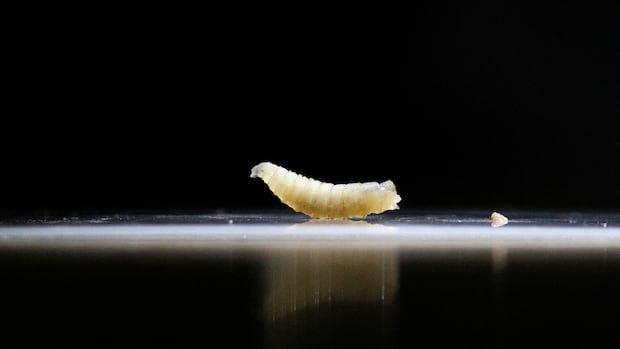
Screwworm flies pose a significant threat due to their larvae’s ability to feed on live tissue, causing severe damage. While the flies are not likely to survive in Canada’s climate, the potential for imported cases remains a concern. Efforts are underway to ramp up the production of sterile flies to combat the spread of the parasite and protect livestock populations.
Public health experts emphasize the importance of collaboration with international partners to address the Screwworm threat comprehensively. Initiatives to eliminate the parasite from the Americas are underway, highlighting the need for coordinated efforts to safeguard agriculture and public health. The situation serves as a reminder of the importance of maintaining herd health and biosecurity measures in the face of emerging threats.

