
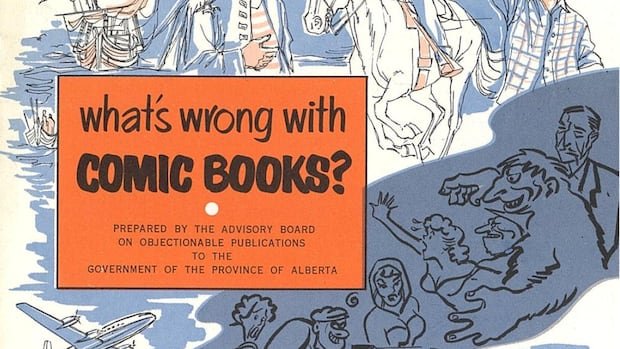
Alberta has implemented new rules regarding the content of books in schools, focusing on prohibiting materials that contain explicit depictions of sexual activity. This action echoes historical censorship measures taken by the province back in 1954 when the Advisory Board on Objectionable Publications was established to regulate the sale of comic books and magazines.
The recent ministerial order issued by the provincial government instructed school staff to remove library materials featuring sexual content, whether in written form or visual depictions. This directive led to the identification and removal of 226 books from Edmonton Public Schools, including popular titles like “The Handmaid’s Tale,” “The Color Purple,” and “The Godfather.”
Following public outcry over the banned book list, the government revised the order to include a ban on visual depictions, in addition to written passages. Historian Amie Wright from Carleton University highlighted similarities between the recent book bans and the historical comic book censorship, both driven by societal concerns that led to forms of censorship known as “moral panic.”
The historical context of comic censorship in Canada post-World War II was marked by societal anxieties and fears, similar to those experienced during the current climate of uncertainty, such as the aftermath of the COVID-19 pandemic. The 1948 incident in Dawson Creek, B.C., where boys mimicked actions from comic books resulting in a fatal shooting, intensified concerns around the influence of comics on children.
The article delves into the establishment and activities of the Advisory Board on Objectionable Publications in Alberta, which engaged in censorship efforts to remove objectionable materials from newsstands. The board’s focus was on restricting comics that glorified crime, presented distorted views of sex and marriage, and perpetuated prejudice based on class, race, creed, and nationality.
Over the years, the board’s influence led to the removal of a significant percentage of periodicals, shaping industry self-censorship practices. However, public sentiment shifted over time, leading to the eventual dissolution of the board in 1976 due to decreasing public support for censorship.
Wright emphasized that throughout history, there has been resistance to censorship measures in Alberta, with ongoing debates surrounding the oversight of children’s reading materials. The current book restrictions in schools have sparked controversy, reminiscent of past censorship debates, illustrating the enduring tension between freedom of expression and protection of societal values.

