
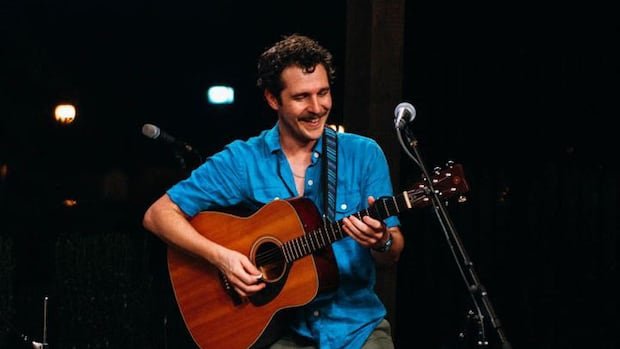
After the recent military actions by the U.S. and Israel against Iran, North Carolina-based songwriter Joseph Terrell found himself pondering the conflict, leading to the creation of his song “Cowboy Movie.” The song reflects on the myth of American exceptionalism and explores the realization that the country may not always be the hero in global events.
Terrell clarified that his song does not target any specific political figure, as numerous politicians could fit the description. However, it does mention real incidents, like the tragic bombing of a girls’ school in Iran during the conflict, which claimed the lives of over 165 individuals, predominantly children. While no country officially claimed responsibility for the bombing, reports from sources like The New York Times suggested U.S. involvement based on preliminary investigations.
Utilizing platforms like TikTok, Terrell shared a snippet of “Cowboy Movie,” following his pattern of using music to address politically charged topics. Similarly, other artists like Jesse Welles are leveraging their music to highlight social and political issues, reaching a broad online audience and breathing new life into the folk protest song tradition.
Renowned music theory expert Noriko Manabe noted the resurgence of politically charged folk music, attributing its renewed popularity to the genre’s simplicity and authenticity in an era dominated by technology. This modern wave of protest songs features explicit references to politicians and current events, quickly gaining traction on social media platforms.
In contrast to historical folk music traditions that often veiled political messages within existing tunes, contemporary artists like Jesse Welles are delivering pointed tracks with specific references to current affairs. Welles’ timely releases, such as “Tylenol” and “Charlie,” have resonated with audiences, garnering significant attention and acclaim.
While this new age of protest music primarily thrives online, there are discussions about its sustainability and potential impact in the real world. Experts like Holly Swartzendruber emphasize the importance of transitioning from digital platforms to physical spaces for a more enduring influence and engagement with audiences.
Folk artists like Olive Klug are actively engaging audiences during live performances, fostering community involvement and addressing pressing social issues. Additionally, musicians like Carsie Blanton are leveraging their music to educate fans about local causes and encourage activism, signaling a shift towards more interactive and socially conscious music experiences.
Terrell acknowledges that music alone may not drive substantial change but believes it can serve as a catalyst for meaningful conversations and advocacy efforts. As the landscape of protest music evolves, artists are finding innovative ways to connect with audiences and inspire action beyond the confines of digital platforms.

