
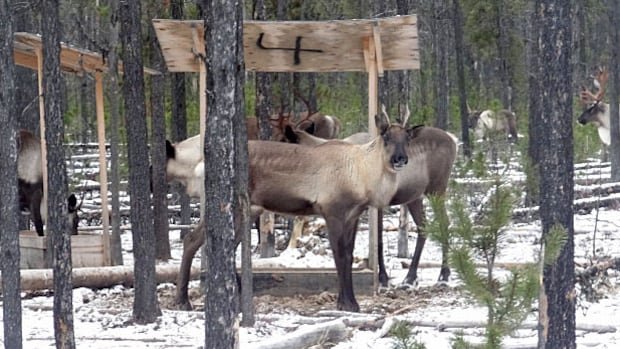
In a recent ruling by B.C.’s Environmental Appeal Board (EAB), the interpretation of “hunting” has come under scrutiny for its application in disciplining a wildlife biologist involved with an endangered caribou herd in northern B.C. Doug Heard, a former provincial government wildlife biologist and adjunct professor at the University of Northern B.C., has been dedicated to the restoration of an endangered caribou herd at Kennedy Siding, a crucial 223-hectare habitat for threatened woodland caribou near Mackenzie, B.C. However, his methods for obtaining caribou hair for DNA analysis were deemed unlawful.
On Nov. 7, 2024, Ministry of Water, Land, and Resource Stewardship officials observed Heard using a “cable caster” device to collect caribou hair for research purposes at a feeding station, a method considered unauthorized despite him having a permit for DNA sampling from hair and fecal pellets. Following the incident, Heard’s permit was revoked, leading to his appeal of the decision. The EAB, in a ruling issued on May 7, 2026, concluded that Heard’s actions fell within the definition of illegal hunting according to B.C. legislation.
The Wildlife Act’s definition of hunting encompasses the pursuit of animals with the intent to capture any part, including just hair, regardless of whether the animal is harmed or captured. The tribunal affirmed this interpretation. The province contended that allowing Heard’s actions to go unpunished would create a precedent where individuals could target wildlife as long as their aim was to obtain specific parts rather than the whole animal, a stance supported by the EAB.
Despite Heard arguing that his cable caster method was less intrusive compared to previous techniques involving dart guns and toy crossbows, the board emphasized that these methods were not compliant with his permit in prior rulings. Heard was permitted to reapply for a wildlife permit effective May 2 but declined to provide a statement on the matter when contacted by CBC News.

