
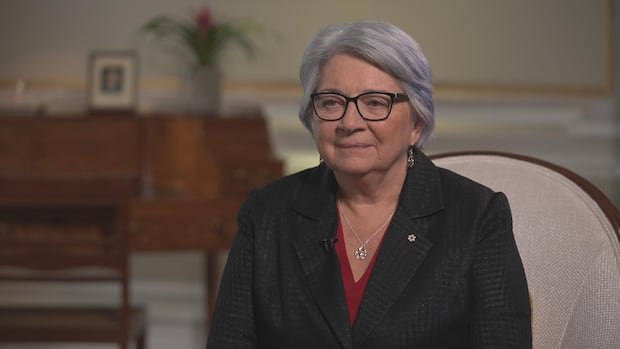
Nearly a decade after participating as a witness before the Truth and Reconciliation Commission, Governor General Mary Simon reflects on her childhood as an Inuk, recalling how older children in her community were sent to residential schools while she, due to having a white father, was forbidden from attending. Speaking with CBC’s Power & Politics, Simon expressed the weight of guilt she carried, realizing the trauma and abuse experienced by those who did attend such schools.
Witnessing the sorrow within her community as families were torn apart, Simon vividly remembers attending church with her grandmother, noticing the longing in parents’ embraces towards her and her siblings. She realized that these gestures stemmed from their deep yearning for their absent children.
Simon notes a noticeable shift in Canada over the past ten years, particularly in the ongoing dialogues between Indigenous peoples and other Canadians. She emphasizes that reconciliation cannot be achieved through mere policies but must be embraced as an enduring value, akin to empathy and happiness, requiring a lifelong commitment.
Amidst the government’s efforts to expedite major projects, concerns have been raised by various Indigenous groups regarding potential infringements on their rights. Simon believes that by upholding commitments made to Indigenous communities and ensuring genuine partnerships and employment opportunities, the government can address any perceived issues and foster positive outcomes.

