
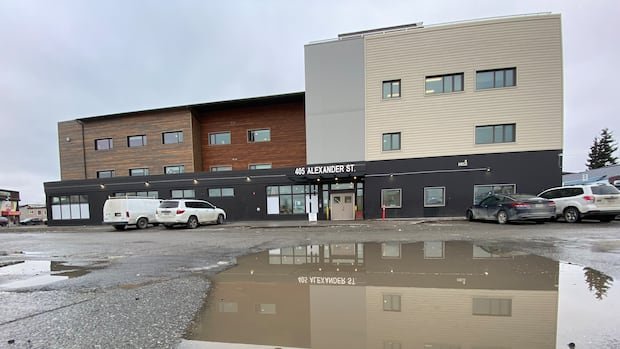
The Yukon government has reached agreements to resolve two legal cases brought by the families of women who passed away at the Whitehorse Emergency Shelter. These lawsuits were initiated separately in December following a coroner’s inquiry that examined the deaths of four women at the shelter between 2022 and 2023. Allegations of systemic negligence and claims of unsafe conditions at the shelter were made in the lawsuits.
Representing both families, lawyer George Filipovic stated that the settlement terms are confidential, and details regarding compensation cannot be disclosed. The decision to settle was motivated by the realization that legal proceedings would not bring back their loved ones. Filipovic emphasized that the settlements were seen as the best possible outcome to prevent similar tragedies in the future.
The primary objective of the families was to ensure that such incidents are not repeated, according to Filipovic. He mentioned that there are mechanisms in place for the families to act if the terms of the settlement are violated. Responses from the Yukon government and Connective, the shelter’s operator, were provided via email to CBC News.
The government expressed satisfaction in resolving the litigations through negotiated settlements deemed suitable by all parties involved. Connective’s director of operations and engagement, Chantal Genier, acknowledged reaching an acceptable resolution but refrained from elaborating on specifics. Genier emphasized the organization’s commitment to enhancing service delivery and implementing changes to prevent future tragedies.
The coroner’s inquest led to eight recommendations for service enhancement, which both the government and Connective have committed to implementing. One of the lawsuits was filed by Veronica Marie Burgess on behalf of Darla Skookum’s estate, with the settlement agreement reached in May. The other lawsuit, filed by Bella Tizya, the mother of Myranda Tizya-Charlie, who passed away at the shelter in January 2022, was settled recently.
Tizya highlighted her intention in filing the lawsuit was to drive improvements at the shelter, emphasizing that monetary compensation could never replace the loss of her daughter. She aimed to share Myranda’s story to inspire community vigilance and support for young individuals. Tizya advocated for more support workers and trained personnel, particularly from the Native community, to assist their own people. Remembering her daughter as a dedicated volunteer and advocate for change, Tizya emphasized the importance of healing, moving forward, and raising awareness based on Myranda’s legacy.

