
A technology company based in Victoria, B.C., has developed innovative technology capable of identifying marine mammals, which is being tested on a new electric passenger ferry. The founder of Reach Technologies Inc., Glenn Jones, transitioned from aerospace technology to marine detection over the past 32 years. The company is currently conducting trials with the Department of National Defence.
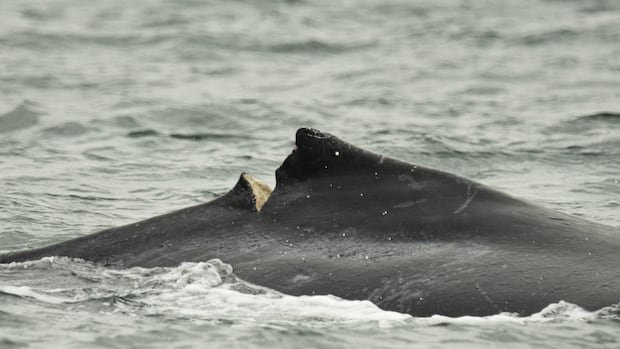
The company has produced a unique multispectral camera that can rotate 360 degrees continuously, instantly recognizing objects, debris, people, and animals. With the ability to detect marine mammals as soon as they surface, the technology aims to prevent incidents like the recent unfortunate collisions involving humpback whales in British Columbia waters.
The Maritime Situational Awareness System, worked on by a team of eight engineers, is a groundbreaking development that sets the company apart in the world of technology. The high cost of these devices, reaching up to $600,000, reflects the advanced nature of the technology being utilized.
As concerns grow over the safety of marine mammals in high-traffic areas, such as the waters around Bowen Island and Gibsons, organizations like CIRQL Ferries are incorporating this detection technology into their operations. With plans to introduce two electric ferries by 2028, CIRQL Ferries is taking proactive steps to ensure the safety of marine life in the region.
Experts like Marine Mammal Zoologist Anna Hall emphasize the importance of early detection in reducing the risk of vessel strikes on marine mammals. As the population of humpback whales continues to rise, there is an urgent need for measures to protect these vulnerable species from maritime traffic.
While reducing vessel speed can mitigate risks, the ultimate solution lies in avoiding areas where whales are present. Implementing restricted zones and advanced detection systems can significantly reduce the likelihood of vessel strikes, benefiting both marine life and maritime activities.
With the introduction of electric ferries and enhanced training for crew members, initiatives like those by CIRQL Ferries aim to balance maritime operations with environmental conservation. By incorporating detection technology and implementing proper protocols, the industry is taking steps towards safer and more sustainable marine transportation practices.

